囍帖街意思:忘掉愛過的他 當初的囍帖金箔印着那位他
謝安琪 (Kay Tse) · 填詞 黃偉文 (Wyman Wong) ·
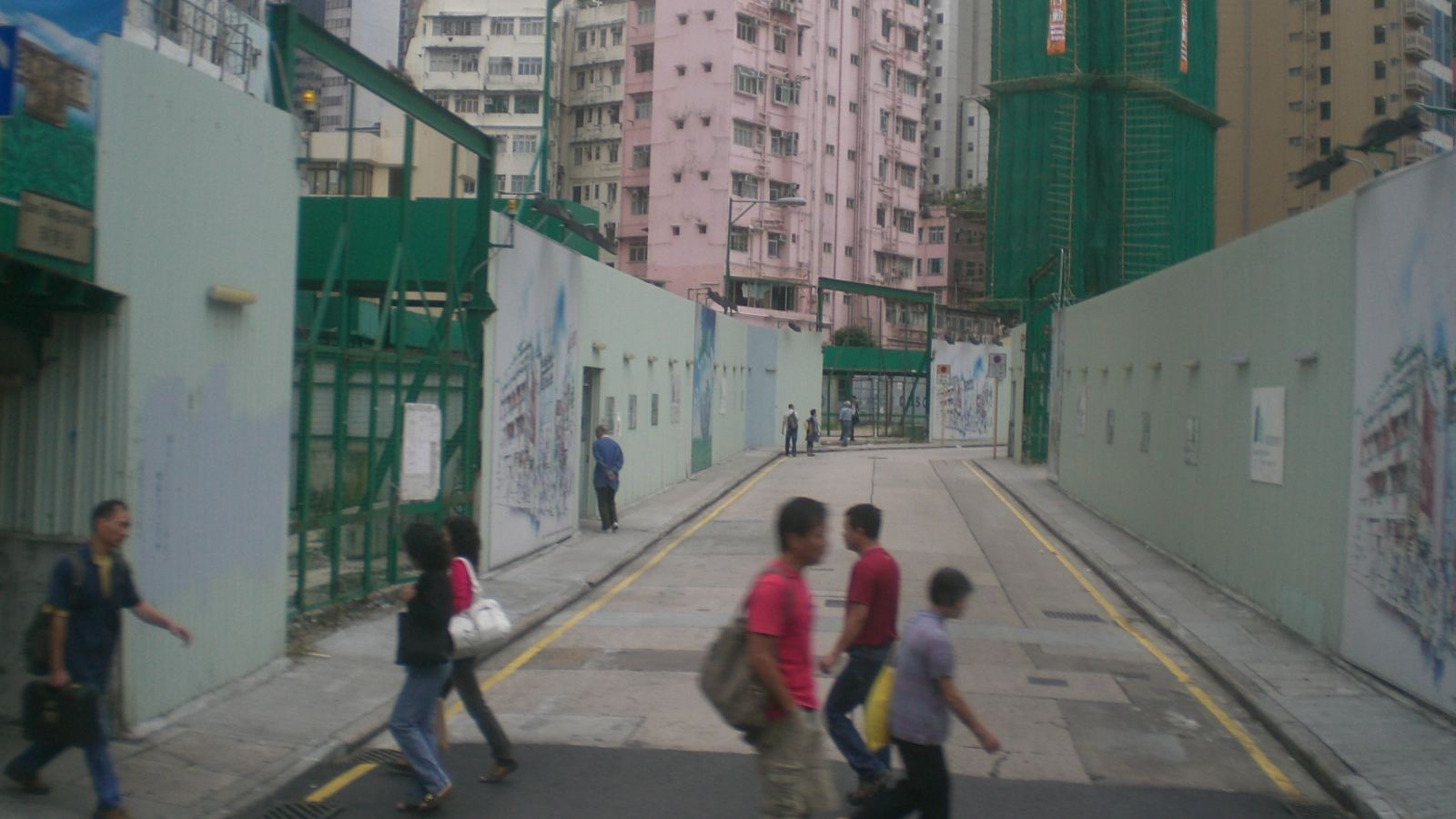

答案《囍帖街》意思:謝安琪(Kay Tse)2008 年歌,黃偉文(Wyman Wong)填詞,Eric Kwok(郭偉亮)作曲。表面講一對印好喜帖先分手嘅情侶,背後係灣仔利東街清拆。一般當係叫人放手嘅勵志歌。但佢每叫你「忘掉」一次,就逐樣講晒:金箔名、婚紗照、小餐枱、兩份紅茶。佢係一篇扮成告別嘅悼文。
The meaning of 《囍帖街》 (Wedding Card Street): Kay Tse (謝安琪) sings Wyman Wong’s (黃偉文) lyric to Eric Kwok’s melody, from 2008. A couple part after printing their wedding cards, as Wan Chai’s Lee Tung Street is demolished. It is heard as a song about letting go. Yet each command to forget names exactly what to forget, down to two cups of milk tea. It is a memorial dressed as a farewell.
廣東話
首歌
《囍帖街》係謝安琪 2008 年專輯《Binary》入面嘅歌,黃偉文填詞,Eric Kwok(郭偉亮)作曲、編曲兼監製。據維基百科,謝安琪係睇完皇后碼頭清拆之後嘅城市論壇,先搵黃偉文寫一首關於保育嘅歌。表面係情歌:一對人喜帖都印好,新屋都買埋,先至分手。背後係灣仔利東街,即係「喜帖街」,幾十年來新人去印喜帖嘅地方,2007 年尾開始清拆。首歌嗰年攞晒香港四台年度歌曲,陳奕迅都翻唱過。同一年代 Eason 唱過林若寧嘅《時代巨輪》,作曲又係 Eric Kwok,一樣係講城市轉得太快。呢篇係 dllm 第二季第一首:繼續跟林夕同黃偉文,行出 Eason 以外。
一邊叫你忘,一邊逐樣講
一般解析有兩種。一種話係懷舊,悼念利東街,悼念被拆走嘅香港。另一種跟住黃偉文自己嘅講法(有報道引述佢話呢首唔係單純情歌,係勵志歌):好景唔會常在,學識放手。
兩種都啱。但聽清楚佢點樣叫人放手:
「忘掉愛過的他 當初的囍帖金箔印着那位他」
叫你忘掉,下一句即刻講埋個名係金箔印嘅。跟住係「裱起婚紗照那道牆」、「小餐枱、沙發、雪櫃及兩份紅茶」。成首歌講咗六次「忘掉」,每一次都附送一張清單。真係想人忘記,唔會咁樣寫。黃偉文喺《落花流水》都係咁:口講瀟灑,最後一句先認有痕跡。呢首歌一路叫你放低,一路幫你逐件執好。
點樣記住,先可以走?
唔使首歌都問得出:失去一樣嘢,係要忘記佢先行得開,定係要記得夠準,先行得開?
Boym:兩種懷舊
俄裔美國學者 Svetlana Boym 2001 年寫《懷舊的未來》(The Future of Nostalgia)。佢將懷舊分做兩種。
第一種叫「修復型」:想將失去嘅屋企原原本本砌返出嚟。佢唔覺得自己係懷舊,佢覺得自己係講緊真相、傳統。第二種叫「反思型」:佢停喺個「想念」入面,接受個家返唔到轉頭,鍾意執碎片、睇廢墟上面啲時間痕跡,有時仲帶啲自嘲。
Boym 話,修復型著重「返屋企」,反思型著重「想」,而且會拖住唔返。
《囍帖街》明顯係第二種。佢冇話要起返條街,佢話「築得起 人應該接受 都有日倒下」。但佢又唔肯一句「算啦」就走,佢要將小餐枱、雪櫃、兩份紅茶逐樣講出嚟。就好似搬屋前最後一晚,喺吉咗嘅單位入面行多個圈。
最諷刺係,利東街真係有過修復型嘅版本。重建計劃入面規劃咗一個「婚嫁城」,想喜帖舖返嚟;2013 年條新街仲叫過「囍歡里」,俾人笑到改返名。將婚禮做成主題,就係 Boym 講嘅修復:外形砌返,裏面嘅人冇咗。
土瓜灣,最後一次開門
阿欣屋企喺土瓜灣一幢唐樓住咗三十年,今年俾市建局收購。交鎖匙前一晚,佢返去幫阿媽執屋。
阿媽要帶走嘅嘢好少:新樓細,舊傢俬入唔到。張摺枱、個二手雪櫃、牆上面佢細個寫嘅身高刻度,全部留低。阿欣冇喊,佢拎部手機出嚟,逐樣影:雪櫃門上面嘅磁石貼、廁所嗰塊爆咗嘅階磚、窗花外面嘅日落。
阿媽話:「影嚟做咩,都拆㗎啦。」
阿欣答唔出。但佢知道,佢唔係想留低間屋,佢係想記得夠清楚,聽日先交得出條鎖匙。
再聽「忘掉」
返轉頭聽,個「忘掉」唔係真係叫你忘記。佢係一種講法:一邊講「唔好再諗」,一邊將要諗嘅嘢講到最準。喺反思型懷舊入面,呢個唔係矛盾,係一種告別嘅技術。記得準,先放得低;含糊嘅記憶,先最揩唔走。
但首歌有一個位,Boym 都幫唔到佢,甚至幫錯手。歌詞話「築得起 人應該接受 都有日倒下」、「終須會時辰到」,好似拆樓係天意,好似花謝咁自然。但利東街唔係自己倒下。居民 2005 年提過「啞鈴方案」,想保留中間嗰排唐樓,城規會否決咗。拆,係人決定嘅。對一段感情,學識放手係智慧;對一條街,「別怕,放手」可能正正係拆嘅人最想你聽到嘅說話。謝安琪想要一首保育嘅歌,黃偉文寫出嚟嘅係一首叫你交鎖匙嘅歌。兩樣嘢用同一個比喻,首歌分唔開,我都分唔開。
我最鍾意嗰句
我最鍾意係「階磚不會拒絕磨蝕 窗花不可幽禁落霞」。成首歌最靜就係呢句。階磚唔會拒絕被行到蝕,窗花鎖唔住日落。佢講嘅唔係「放手啦」,佢講嘅係:有啲嘢本來就唔係你嘅,連間屋都唔係佢嘅。窗花係屋嘅一部分,落霞唔係,但每晚落霞都喺窗花度經過,似屬於呢度。我覺得最好嘅懷舊就係咁:知道嗰啲光係借嚟,但記得佢點樣照入嚟。仲有,首歌最後一句係「請放下手裏那鎖匙 好嗎」。係「好嗎」,唔係「放低」。歌唱完,鎖匙仲喺佢手。
有兩個問題我答唔到。如果你屋企聽日要拆,你會影邊樣嘢?同埋,當年利東街啲喜帖舖,最後有冇返到去個「婚嫁城」?
English
The song
《囍帖街》 (Wedding Card Street) is a 2008 song by 謝安琪 (Kay Tse), from her album 《Binary》. The lyric is by 黃偉文 (Wyman Wong); Eric Kwok (郭偉亮) composed, arranged and produced it. Tse has said she asked Wong for a song about heritage after the public forums that followed the demolition of Queen’s Pier. On the surface it is a love song: a couple who have printed their wedding cards and furnished a new home, and part anyway. Underneath is Lee Tung Street in Wan Chai, known to everyone as wedding-card street, where couples went for decades to have their invitations printed, and which began to be demolished in December 2007. The song won song of the year from all four of Hong Kong’s major broadcasters for 2008, and 陳奕迅 (Eason Chan) is among the many who have covered it. Eric Kwok had also co-written the music for Eason’s 《時代巨輪》 the year before, another song about a city that moves too fast. It opens the second season of dllm.sh, which follows Albert Leung and Wyman Wong beyond Eason.
Forget, and here is the list
There are two usual readings. One hears nostalgia: an elegy for Lee Tung Street, and for the Hong Kong that was torn down with it. The other follows Wong, who has reportedly described it as not simply a love song but an encouraging one: good times do not last, so learn to let go.
Both are right. But listen to how the song tells you to let go:
「忘掉愛過的他 當初的囍帖金箔印着那位他」
“Forget the man you loved, his name pressed in gold foil on the wedding cards.”
The order to forget arrives with the most precise image in the song. It goes on: the wall where the framed wedding photo hung, 「小餐枱、沙發、雪櫃及兩份紅茶」, the little dining table, the sofa, the fridge and two cups of milk tea. The word 忘掉, forget, is sung six times, and each time it comes with an inventory. Nobody who truly wanted a thing forgotten would write it down this carefully. Wong did something similar in 《落花流水》, which talks itself into calm and only admits the mark in its last line. The song tells you to put everything down while it packs each item for you.
Remembering in order to leave
The question stands without the song. When we lose something, do we have to forget it before we can move on, or do we have to remember it precisely enough?
Boym: two kinds of nostalgia
The Russian-American scholar Svetlana Boym, in The Future of Nostalgia (2001), divided nostalgia into two kinds. The word itself joins the Greek nostos, return home, and algia, longing.
Restorative nostalgia, she wrote, stresses nostos. It wants to rebuild the lost home exactly as it was. It does not think of itself as nostalgia at all, but as truth and tradition, and it tends toward reconstructed monuments and national myths. Reflective nostalgia dwells in algia, in the longing itself. It accepts that the home will not return. It lingers on ruins and fragments and the patina of time, often with irony, and in Boym’s phrase it “delays the homecoming.”
《囍帖街》 is reflective nostalgia almost to the letter. It does not ask for the street to be rebuilt: 「築得起 人應該接受 都有日倒下」, whatever can be built, one must accept, will one day fall. But neither will it walk off with a shrug. It insists on naming the dining table, the fridge, the two cups of tea. It is the last night in a flat already emptied, walking through the rooms one more time.
Boym’s distinction also explains what the song refuses. Restorative nostalgia, for her, is dangerous precisely because it is sure of itself; it rebuilds the façade and calls it the past. Reflective nostalgia keeps the loss visible as a loss. It is less comforting and more honest, and it leaves room to move on, because it has never pretended that the home could be got back.
The irony is that Lee Tung Street did get a restorative version. The redevelopment plan set aside space for a “Wedding City” of wedding-themed shops, where the old card printers were meant to return, and in 2013 the new street was briefly branded 囍歡里, a name so widely mocked that it was changed back. Turning weddings into a theme is exactly what Boym meant: the shape rebuilt, the life inside it gone.
The last night at Dakota Crescent
In Singapore, the low-rise blocks of Dakota Crescent, built by the colonial Singapore Improvement Trust in 1958, were earmarked for redevelopment in 2014, and residents had to leave by the end of 2016.
Imagine one of them: Mdm Lim, who had lived there for forty years. Her son comes on the last weekend to help her pack. The new flat is smaller, and most of the furniture will stay behind: the folding table, the old fridge, the pencil marks on the kitchen door frame where she measured her children every Chinese New Year. He expects her to be upset. Instead she walks him through the flat and tells him the story of each thing, slowly, one by one, while he photographs them. Then she hands over the keys.
The ending was not simple. In 2017, after a public campaign, the government announced that six of the blocks and the estate’s Dove Playground would be conserved. By then the residents were gone. What was kept was the shell. Mdm Lim’s son still has the photographs; they are the only record of the flat as a home.
Hearing the command again
Listen again, and 忘掉 is not really a command to forget. It is a way of speaking: saying “don’t think about it any more” while saying exactly what not to think about. Within reflective nostalgia this is not a contradiction but a technique of farewell. The precise memory is the one you can set down. It is the blurred memory, never properly named, that keeps returning.
But here Boym cannot help the song, and may even help it in the wrong direction. The lyric speaks as if demolition were weather: 「終須會時辰到」, the hour must come in the end. Lee Tung Street did not fall by itself. In 2005 a residents’ group put forward the “dumbbell” plan to keep the central row of tenements, and the Town Planning Board rejected it. The street was taken down by a decision, and decisions can be contested. For a love that has ended, learning to let go is wisdom. For a street, “don’t be afraid, let go” may be just what those doing the demolishing most want to hear. Tse asked for a song about preservation, and Wong gave her a song about handing over the keys. Because the song uses one metaphor for both, it cannot separate them, and neither can I.
The line I keep
The line I love is 「階磚不會拒絕磨蝕 窗花不可幽禁落霞」: “the floor tiles do not refuse to be worn away; the window grilles cannot imprison the sunset.” It is the quietest line in the song. It does not say “let go.” It says that some things were never yours to keep, not even the flat’s. The grille belongs to the building; the sunset does not, though it passes through the grille every evening as if it lived there. That seems to me what the best nostalgia knows: the light was borrowed, and you still remember how it came in. And the song’s last line is 「請放下手裏那鎖匙 好嗎」, “please put down the key in your hand, won’t you?” A request, not an order. When the song ends, the key is still in her hand.
Two questions stay with me. If your home were to be demolished tomorrow, what would you photograph first? And did any of the old wedding-card printers ever move back into the “Wedding City”?
FAQ
- What is the meaning of 囍帖街?
- 《囍帖街》 tells a woman to forget the man she loved, the wedding cards printed with his name in gold foil, the photos on the wall and the home they furnished, because all of it is about to be torn down. The breakup is set against Lee Tung Street in Wan Chai, the street of wedding-card printers demolished from 2007.
- Who wrote 囍帖街?
- 黃偉文 (Wyman Wong) wrote the lyric, and Eric Kwok (郭偉亮) composed, arranged and produced it for 謝安琪 (Kay Tse)’s 2008 album 《Binary》. Tse has said she asked Wong for a song about heritage after the demolition of Queen’s Pier. It swept all four of Hong Kong’s major media song-of-the-year awards for 2008.
- What does 忘掉愛過的他 當初的囍帖金箔印着那位他 mean?
- “Forget the man you loved, his name pressed in gold foil on the wedding cards.” The command to forget arrives with the most precise memory in the song. This reading hears what Svetlana Boym called reflective nostalgia: not rebuilding what was lost, but naming it carefully enough to be able to leave.
資料
《囍帖街》 · 主唱 謝安琪 (Kay Tse) · 填詞 黃偉文 (Wyman Wong) · 2008 ·聽歌 Listen