羅生門意思:迷戀蔽眼才給美化 但其實真懂得我嗎

答案《羅生門》意思:麥浚龍(Juno Mak)同謝安琪(Kay Tse)2015 年合唱,黃偉文(Wyman Wong)填詞,伍樂城作曲,係 2004 年《耿耿於懷》嘅續篇。女方終於回應:「我愛過哈囉吉蒂嗎 似乎沒有」,佢記住十年嘅,係佢自己整出嚟嘅版本。但去到尾,兩把聲都唱「你未忘 我未忘」,冇一個版本係乾淨嘅。
The meaning of 《羅生門》 (Rashomon): Juno Mak (麥浚龍) and Kay Tse (謝安琪) sing Wyman Wong’s (黃偉文) lyric to 伍樂城’s melody, from 2015, a sequel to Mak’s 2004 《耿耿於懷》. The woman finally answers: she never loved the Hello Kitty he remembers. He has spent ten years loving a version he built. Yet near the end both voices sing that neither has forgotten. No account is clean.
廣東話
首歌
《羅生門》係麥浚龍同謝安琪 2015 年 7 月嘅合唱歌,收錄喺麥浚龍專輯《Addendum》,黃偉文填詞,伍樂城作曲編曲。佢係「耿耿於懷系列」第三首:2004 年《耿耿於懷》入面,麥浚龍唱一個放唔低前度嘅男仔,個女仔鍾意 Hello Kitty;2015 年初嘅《念念不忘》再接落去;到《羅生門》,個女仔第一次開口。首歌嗰年攞咗 CASH 最佳歌曲,亦係 KKBOX 年度第一。「羅生門」借黑澤明電影個名:同一件事,各人講各人嘅版本,冇一個完全可信。
終於輪到佢講
一般解析話:男仔十年都放唔低,女仔早已行開,仲勸佢唔好再翻舊案。佢係清醒嗰個,男仔係執迷嗰個。
講得啱。但聽清楚女仔點樣拆佢嘅記憶:
「我愛過哈囉吉蒂嗎 似乎沒有 狄更斯是漫畫嗎 仍然少女誤會了嗎 迷戀蔽眼才給美化 但其實真懂得我嗎」
佢唔係話「我唔愛你」,佢話「你記住嗰個唔係我」。十年前嗰首歌入面嗰個鍾意 Hello Kitty 嘅女仔,係男仔整出嚟嘅。佢讀狄更斯,唔睇少女漫畫。男仔懷念咗十年,懷念嘅係一個佢自己砌出嚟嘅人。
我哋愛嘅,係人定係個版本?
唔使首歌都問得出:一個人掛住你十年,佢掛住嘅係你,定係佢記憶入面嘅你?
司湯達:結晶
法國作家司湯達(Stendhal)1822 年寫《論愛情》(De l’amour),入面有個好出名嘅比喻,叫「結晶」。
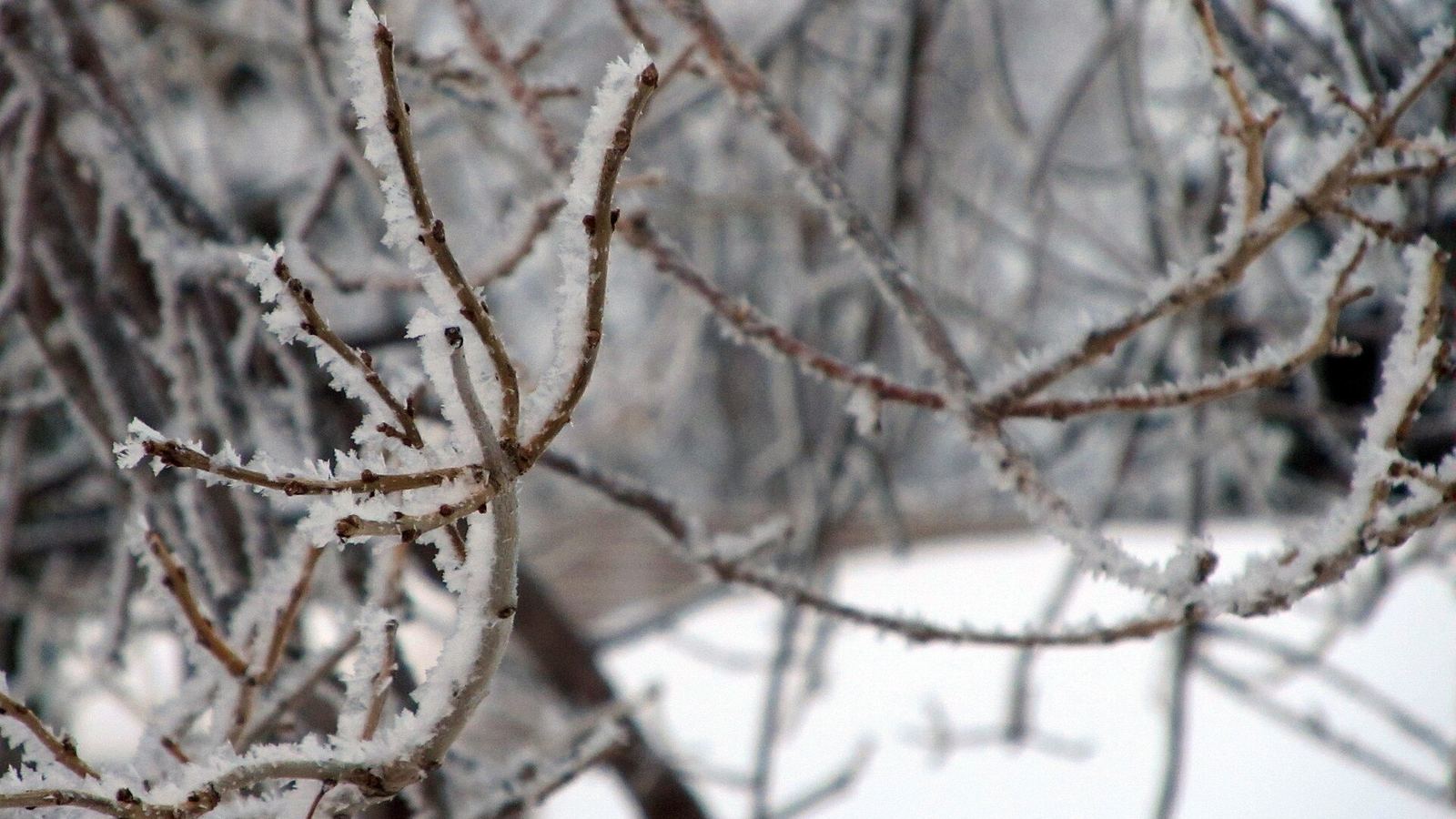
佢話,喺薩爾斯堡啲鹽礦,冬天將一條落晒葉嘅樹枝掟落廢棄礦坑,兩三個月後拎返上嚟,成條枝會鋪滿閃閃發光嘅鹽晶,連最幼嘅枝椏都好似掛滿鑽石,原本條枝已經認唔出。愛情都係咁:戀愛中嘅人會由任何一樣嘢推論出對方有新嘅完美,一路幫對方加晶體。
司湯達仲講咗一樣嘢:結晶喺分開同懷疑嗰陣最活躍。人唔喺度,想像先有空間。十年唔見,就有十年結晶。
擺返入首歌:「迷戀蔽眼才給美化」,就係結晶。「難忘的因你太念念才難忘」更加準:唔係因為件事難忘,係因為你成日諗,諗一次加一層晶。男仔手上嗰條枝,十年後已經同原本嗰條冇乜關係。
舊同學聚會
阿 Ben 中學畢業十年聚會,喺旺角一間酒樓。席間有人飲大咗,講起阿 Ben 中學追過嘅阿 Wing:「佢 FB 成日 post 啲咩旅行相,你仲有冇睇呀?」全枱笑。阿 Ben 話冇,但佢有。
阿 Wing 冇嚟。佢喺 WhatsApp 群組 send 咗句「大家玩得開心」。
阿 Ben 記得佢中學鍾意 Hello Kitty 文具、成日聽某隊樂隊。其實嗰啲係佢表妹送嘅,嗰隊樂隊係佢當年男朋友鍾意。阿 Ben 從來唔知。佢記得嘅每一樣,都真係見過,但每一樣都唔係佢以為嘅意思。
再聽「你未忘 我未忘」
返轉頭聽,首歌最狡猾嘅位喺尾段。女仔一路叫男仔「關起那間房」、「不要每夜重翻舊案」,好似佢已經放低晒。但去到過橋,兩把聲疊埋一齊:「你未忘 我未忘 猶勝伴在旁」,另一把聲接「你未忘 我未忘 情信亦泛黃」。佢都未忘。
即係話,女仔個版本都唔乾淨。佢話男仔將佢美化咗,但佢自己都喺度整緊一個版本:一個成熟、讀狄更斯、早已行開嘅自己。呢個先係「羅生門」個真意思:唔係一個講大話、一個講真話,係兩個人都喺度結晶,各自鋪咗十年鹽。
司湯達喺度都有限度。佢以為結晶係戀愛中人嘅特權,一冷靜就會落晒。但首歌話,連「放低咗」嘅人,都會將自己放低嘅姿態結晶埋。最尾男仔話「願如期團聚於 冰島某地方」,女仔接「讓前塵沉澱於 福島某地方」。2015 年講「福島」,好難唔諗起 2011 年嗰場核災:一個要封鎖、唔可以返去嘅地方。佢要埋葬,但連埋葬都要揀個咁有份量嘅地方,即係佢都知道,嗰樣嘢仲有輻射。黃偉文另一首寫放低嘅歌,係謝安琪嘅《囍帖街》:嗰首叫人交鎖匙,呢首叫人關房門。
我最鍾意嗰句
我最鍾意係「那動人時光 不用常回看 能提取溫暖以後渡嚴寒 就關起那間房」。佢冇叫人忘記,佢叫人當段記憶係一間房:入去攞少少暖,夠用就出返嚟,關門。我覺得呢個係我聽過最實用嘅放手方法。唔係拆,唔係燒,係有節制咁用。問題係「提取」兩個字:好似去銀行攞錢咁,有攞得太多嘅日子。而首歌入面兩個人,明顯都攞多咗,仲成日返去查數。
有兩個問題我答唔到。你記住嘅某一個人,有幾多係佢,有幾多係你自己加上去嘅晶體?同埋,如果有日佢真係同你講「嗰個唔係我」,你會唔會鬆一口氣?
English
The song
《羅生門》 (Rashomon) is a 2015 duet by 麥浚龍 (Juno Mak) and 謝安琪 (Kay Tse), released in July on Mak’s album 《Addendum》. The lyric is by 黃偉文 (Wyman Wong); 伍樂城 composed and arranged it. It is the third song in what fans call the 耿耿於懷 series. In 《耿耿於懷》 (2004), Mak sang as a young man unable to get over a girlfriend who loved Hello Kitty. 《念念不忘》, earlier in 2015, continued the story. In 《羅生門》, the woman finally speaks. The song won CASH’s Best Song award that year and was KKBOX Hong Kong’s top single. Its title borrows Kurosawa’s film, in which the same event is told by several witnesses, none of them fully reliable.
Her turn
The usual reading: ten years on, he still cannot let go, and she has long since moved on and gently tells him to stop reopening the case. She is the sane one; he is the obsessive.
That is right. But listen to how she takes his memory apart:
「我愛過哈囉吉蒂嗎 似乎沒有 狄更斯是漫畫嗎 仍然少女誤會了嗎 迷戀蔽眼才給美化 但其實真懂得我嗎」
“Did I ever love Hello Kitty? I don’t think so. Is Dickens a comic book? Do you still mistake me for a schoolgirl? Infatuation blinded you, so you prettified me. But did you ever really understand me?”
She does not say she never loved him. She says the girl he remembers is not her. The Hello Kitty fan of the 2004 song was his invention. She reads Dickens; she does not read shōjo manga. He has spent ten years missing someone he assembled himself.
What do we love: the person, or the version?
The question stands without the song. When someone misses you for ten years, is it you they miss, or the you in their memory?
Stendhal: crystallization
In On Love (De l’amour, 1822), the French novelist Stendhal offered one of the most famous images in the literature of love.
In the salt mines near Salzburg, he wrote, a bough stripped bare by winter is thrown into an abandoned shaft. Two or three months later it is pulled out covered in glittering crystals; even the smallest twigs, no thicker than a titmouse’s claw, are studded with countless diamonds, and the original branch can no longer be recognized. Love works the same way. Crystallization is the operation of the mind that draws, from everything it encounters, the conclusion that the beloved has some new perfection.
Stendhal adds something crucial. Crystallization is most active in absence and in doubt. When the beloved is not there to contradict the image, the imagination has room. Ten years apart is ten years of crystals.
Read the song with this in mind. 「迷戀蔽眼才給美化」, infatuation prettified me, is crystallization exactly. And 「難忘的因你太念念才難忘」 is even sharper: it is unforgettable only because you keep thinking about it. The memory is not hard to forget because of what happened. It is hard to forget because each time he returns to it, another layer of salt forms. The branch he holds after ten years has little to do with the one that went into the mine.
What does crystallization cost? Stendhal saw it as love’s joy, not its error: the crystals are beautiful, and they are what make the beloved shine. But the song shows the bill. The person crystallized is erased. Every glittering detail he adds is a detail she did not have. To be loved this way, for ten years, is to be replaced by someone who looks like you.
The old phone number
In Kuala Lumpur, Darren has kept the same mobile number since 2014. He has changed phones four times and carriers twice, and each time he has ported the number. His friends assume it is for work. It is because, ten years ago, his girlfriend at the time said she would always know how to find him. He has never said this aloud.
The song has a line for him: 「從前號碼 等於老地方 不敢拆掉再裝」, the old number is like our old meeting place; I dare not take it out and put a new one in.
What Darren does not know is that she deleted his number years ago, and that the promise he remembers was, in her memory, a joke made on a bus. Both memories are real. They are simply crystallized in different directions.
Hearing the bridge again
Listen again, and the song’s cleverest move comes in the bridge. All along she has told him to close the room, to stop reopening the case, as if she were long past it. But then the voices overlap: 「你未忘 我未忘 猶勝伴在旁」, you haven’t forgotten, I haven’t forgotten, better than being side by side; and the other voice answers 「你未忘 我未忘 情信亦泛黃」, you haven’t forgotten, I haven’t forgotten, the love letters have yellowed. She has not forgotten either.
So her version is not clean. She accuses him of prettifying her, while she builds a version of her own: the mature woman who reads Dickens and has long since moved on. That is what Rashomon really means here. It is not that one of them lies and the other tells the truth. Both are crystallizing, each laying down ten years of salt.
This is where Stendhal reaches his limit. He treated crystallization as the condition of the person in love, something that falls away once passion cools. The song suggests that even the one who has “let go” crystallizes the letting go. The final exchange makes the point darkly. He sings of meeting again, as arranged, somewhere in Iceland, 冰島. She answers: let the past settle somewhere in Fukushima, 福島. In 2015 it is hard not to hear 2011 in that name: a place sealed off, where one cannot go back. She wants it buried. But she chooses a burial ground that is still radioactive, which is to say she knows it is still alive. Wyman Wong’s other great song about letting go is Kay Tse’s 《囍帖街》: that one asks you to hand over the keys, this one asks you to close the door.
The line I keep
The line I love is 「那動人時光 不用常回看 能提取溫暖以後渡嚴寒 就關起那間房」: “those moving times needn’t be looked back on often; if you can draw out some warmth to get through the cold ahead, then close that room.” It does not tell anyone to forget. It treats memory as a room you can enter for a little warmth, take what you need, and leave, closing the door behind you. I think it is the most practical advice about letting go I have heard in a song. Not demolition, not burning, but moderation. The trouble is the word 提取, to withdraw, as from a bank. Some days you withdraw too much. And the two people in this song have plainly both overdrawn.
Two questions stay with me. Of someone you remember, how much is them and how much is the crystal you added? And if one day they told you, “that wasn’t me,” would you feel relieved?
FAQ
- What is the meaning of 羅生門?
- 《羅生門》 is a duet between two people who split up about ten years ago. He has never let go; she tells him he never really knew her, that infatuation prettified her, and that he should close the room on their memories. As in Rashomon, their accounts do not match, and by the bridge hers starts to waver.
- Who wrote 羅生門?
- 黃偉文 (Wyman Wong) wrote the lyric and 伍樂城 composed and arranged it, producing with 麥浚龍 (Juno Mak). Mak and 謝安琪 (Kay Tse) released it in July 2015 on his album 《Addendum》. It continues 《耿耿於懷》 (2004) and 《念念不忘》 (2015), and won CASH’s Best Song award that year.
- What does 迷戀蔽眼才給美化 但其實真懂得我嗎 mean?
- “Infatuation blinded you, so you prettified me; but did you ever really understand me?” She says he loved an image, not her. This reading hears Stendhal’s idea of crystallization, the lover coating the beloved in imagined perfections, and notes that her own memory, too, turns out to be crystallized.
資料
《羅生門》 · 主唱 麥浚龍 (Juno Mak)、謝安琪 (Kay Tse) · 填詞 黃偉文 (Wyman Wong) · 2015 ·聽歌 Listen