下一站天后意思:人氣不過肥皂泡
Twins · 填詞 黃偉文 (Wyman Wong) ·
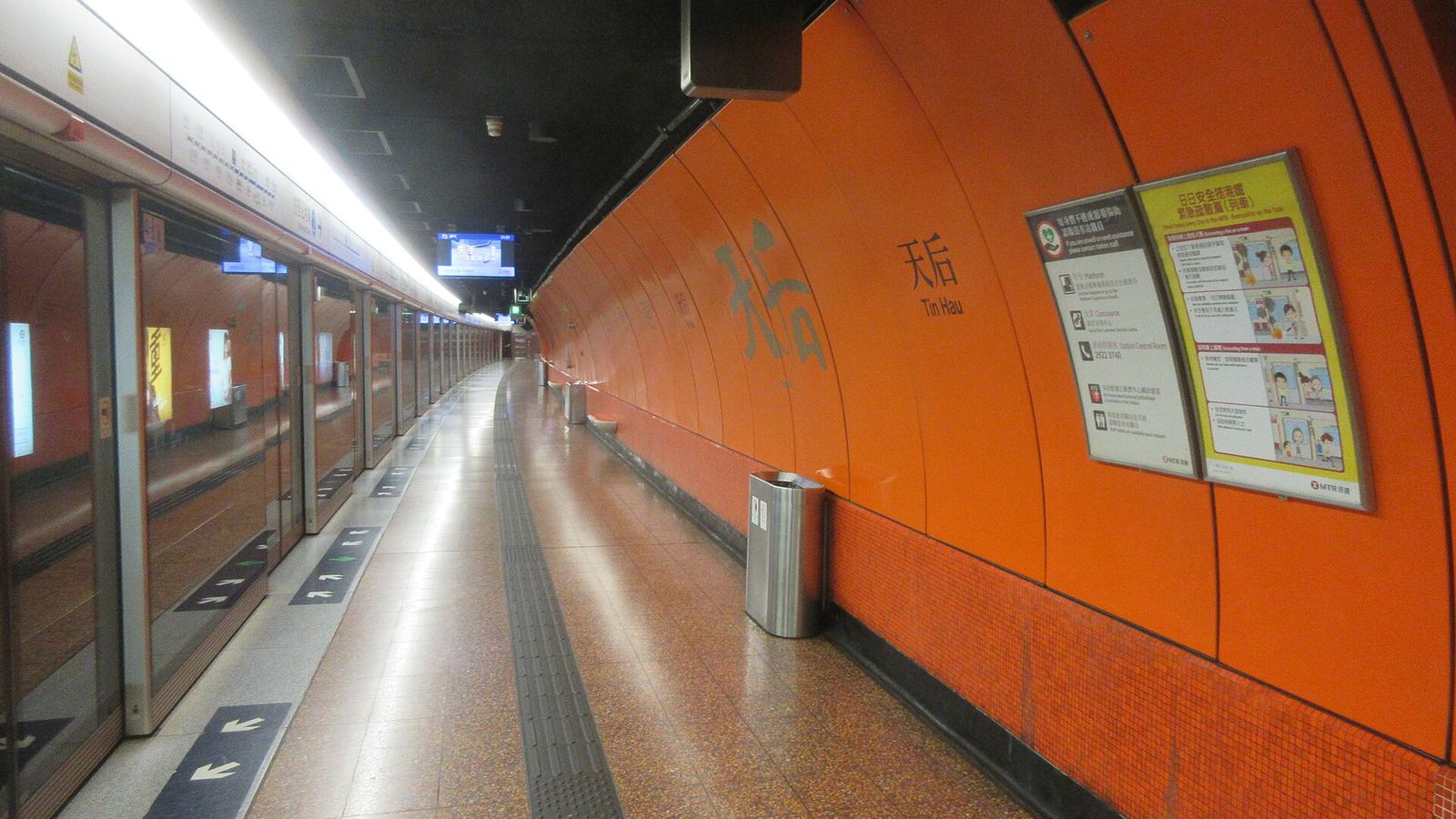

答案《下一站天后》意思:Twins 2003 年歌,黃偉文(Wyman Wong)填詞,伍樂城作曲,歌名玩港島綫天后站同「樂壇天后」嘅雙關。一般當係忠告:「人氣不過肥皂泡」,揀愛情唔好揀名氣。但佢真正講嘅係:唱歌要有個聽眾,舞台嘅掌聲代替唔到一個人嘅愛。
The meaning of 《下一站天后》 (Next Stop, Tin Hau): Twins sing Wyman Wong’s (黃偉文) lyric to Ronald Ng’s (伍樂城) music, punning on Tin Hau MTR station and the Cantopop “diva.” It is heard as advice to choose love over fame, since popularity is a soap bubble. Its deeper claim is that a voice needs someone to sing to: applause cannot stand in for love.
廣東話
首歌
《下一站天后》係 Twins(蔡卓妍、鍾欣潼)2003 年嘅歌,收錄喺專輯《Touch of Love》,黃偉文填詞,伍樂城作曲。歌名係雙關:港島綫由銅鑼灣向東行,下一站就係天后站;「天后」亦係樂壇對最紅女歌手嘅稱呼。首歌講一個想做天后嘅女仔,喺星途同愛情之間諗清楚自己要乜。同年蔡卓妍有個獨唱版,用喺馬偉豪電影《下一站…天后》,入圍金像獎最佳原創電影歌曲。到今日仍然係 KTV 必點,Twins 重聚都會唱。
一個泡
一般解析話:黃偉文寫俾兩個啱出道就爆紅嘅女仔,係一個忠告:人氣係泡沫,愛情先係真。好多人仲話,佢哋當年唱唔明,大個先明。
講得啱。成首歌最多人記得嘅一句係:
「人氣不過肥皂泡」
但如果淨係聽到「揀愛情唔揀名氣」,就停得太早。留意佢從來冇話唔想唱。佢話就算有日開個人演唱會,嗰個人唔喺台下,都好似白活。然後係另一句:
「不戀愛教我怎樣唱」
佢唔係嫌舞台,佢係唔知唱俾邊個聽。問題唔係名氣定愛情,係把聲要有個方向。
仲有一個細節:首歌一開頭企喺大丸門口望自己條路。銅鑼灣大丸百貨 1998 年尾已經執笠,即係話 2003 年呢首歌,企喺一間已經唔存在嘅公司門口。個名仲喺度,間舖冇咗。夢想有時都係咁。
要俾幾多人睇見,先夠?
唔使首歌都問得出:人人都要俾人睇見,但要俾幾多人、用乜方式睇見,先夠?一萬個 like,同一個人望住你,係咪同一樣嘢?
Honneth:三種承認
德國哲學家 Axel Honneth 1992 年寫《為承認而鬥爭》(The Struggle for Recognition)。佢話一個人要企得穩,需要三種「承認」。第一種係愛:有幾個具體嘅人,喺你軟弱、有需要嘅時候都接住你,你由此得到最底層嘅自信。第二種係權利:社會當你係一個平等嘅人,你由此有自尊。第三種係社會嘅肯定:你做得好,大家欣賞你嘅成就,你由此覺得自己有價值。
天后屬於第三種。而第三種天生係比出嚟嘅:排行榜、獎項、人氣,今年有,聽年可以冇,唔使任何人做錯嘢。所以「肥皂泡」唔係黃偉文刻薄,係準確。
Honneth 嘅重點係:三種唔可以互相頂替,而愛係墊底嗰種。冇愛墊底嘅人,再多掌聲都會漏走,好似用篩去裝水。咁睇,「不戀愛教我怎樣唱」唔係戀愛腦,係一句幾準嘅心理學:冇咗第一種承認,第三種接唔住你。
代價係:肯定可以靠表現贏返嚟,愛唔得。愛正正係唔使你表現嗰種承認。要得到佢,你要俾人見到你唔發光嘅樣。
下一站:天后
阿晴二十七歲,日頭喺鰂魚涌做 admin,逢星期五喺銅鑼灣一間 bar 同隊 cover band 唱歌。十二點收工,佢搭港島綫返北角。車廂廣播:「下一站:天后。」佢每次聽到都想笑。
佢 check IG:琴日段 reel 一萬八千 views,今晚得三千二。佢知道唔應該在意,但喺車廂入面 refresh 咗四次。
返到屋企,男朋友阿峰煲咗湯。佢一路飲,一路喺廚房細細聲唱返今晚首歌俾佢聽。阿峰話:「好聽過你喺 bar 嗰個版本。」佢開心咗成晚。
瞓之前佢諗起:自己唱嗰陣,其實一路望住阿峰塊面,睇佢有冇被打動。佢係唱俾佢聽,定係考緊佢?
返去聽個泡
返轉頭再聽,有一句好易跳過:「我沒有歌迷有他景仰」。冇歌迷,有佢景仰。但「景仰」係第三種承認嘅字,唔係第一種。佢想要嘅愛,其實係一個得一個會員嘅 fan club。佢冇放低被欣賞嘅需要,只係將觀眾縮到一個人。個泡冇消失,只係細咗,仲易爆,因為成個世界都押喺一塊面上。Honneth 會話,愛接得住你,係因為佢唔使你表現;你唱走音,佢都喺度。
呢度亦係 Honneth 嘅限度。佢話三種承認都要,冇一種頂替到另一種。首歌就將佢變成二揀一:做天后,定做新娘;最後話最大嘅理想,係同佢返屋企唱俾佢一個人聽。2003 年,一個三十幾歲嘅男填詞人寫俾兩個二十歲嘅女仔,叫佢哋將舞台放低:呢個忠告有幾多係智慧,有幾多係嗰個年代派俾女人嘅劇本?舞台嘅掌聲係泡,但係你自己吹出嚟嘅泡。
最諷刺係,Twins 真係變咗天后,而呢首歌出咗好大力。今日 KTV 房入面四個人一齊吼「人氣不過肥皂泡」,一首講唔使觀眾嘅歌,養大咗最多觀眾。黃偉文喺《浮誇》寫一個要全世界望住佢嘅人;呢度係一個只要一個人望住嘅人。兩個都係肚餓,份量唔同。
我最鍾意嗰句
我最鍾意嘅,正正係啱啱拆咗嗰句:「我沒有歌迷有他景仰」。我鍾意佢夠老實。佢冇扮清高,冇話「我唔需要人欣賞」,佢話:我要,但一個就夠。我覺得大部分人都係咁:唔係唔想被睇見,亦唔係想全世界睇見,係想俾一個認得你嘅人睇見。佢唔係道德上最完整嘅答案,Honneth 會想佢要多啲。但係好真。
有兩個問題我答唔到。你身邊嗰個人,係你嘅愛人,定係你最後一個歌迷?如果有日你唱走音,佢仲會唔會景仰?
English
The song
《下一站天后》 (literally “Next Stop, Tin Hau”) is a 2003 song by Twins, the duo of 蔡卓妍 (Charlene Choi) and 鍾欣潼 (Gillian Chung), from the album Touch of Love. The lyric is by 黃偉文 (Wyman Wong) and the music by 伍樂城 (Ronald Ng). The title is a pun. On Hong Kong’s Island line, heading east from Causeway Bay, the next station is Tin Hau, named for the sea goddess whose temple stands nearby; 天后 is also what Cantopop calls its reigning female star, its diva. The song follows a young woman who wants to be the next diva and who works out, on the way, what she actually wants. A solo version by Charlene Choi was used in Joe Ma’s 2003 film 《下一站…天后》 (Diva Ah Hey) and was nominated for Best Original Film Song at the Hong Kong Film Awards. It is still a karaoke standard, and a song Twins still sing when they reunite.
A soap bubble
The usual reading: Wyman Wong wrote it for two young women who had become famous almost overnight, and it is advice. Popularity is a soap bubble; love is real. Listeners like to add that the two were too young to understand what they were singing, and understood later.
That is right as far as it goes. The line everyone remembers is:
「人氣不過肥皂泡」
“Popularity is nothing but a soap bubble.”
But to hear only “choose love over fame” is to stop early. The singer never says she does not want to sing. She says that even if she one day headlines her own concert, singing with him absent from the hall would feel like a wasted life. And then:
「不戀愛教我怎樣唱」
“Without love, how am I supposed to sing?”
Her complaint is not about the stage. It is about address. She does not know whom to sing to. The question is not fame or love. It is where a voice is supposed to go.
There is a small detail too. The song opens with her standing in front of Daimaru, looking down the road ahead of her. The Daimaru department store in Causeway Bay closed at the end of 1998, so in 2003 she was standing in front of a shop that no longer existed. The corner kept the name. Dreams sometimes do the same.
How many people does it take to be seen?
The question stands without the song. Everyone needs to be seen. But by how many people, and in what way? Are ten thousand likes the same kind of thing as one person watching your face?
Axel Honneth: three kinds of recognition
The German philosopher Axel Honneth gives this question its most useful shape in The Struggle for Recognition (1992). A person becomes able to stand, he argues, through three kinds of recognition from others. The first is love: a few particular people who hold us when we are needy and unfinished. From love comes basic self-confidence, the sense that our needs are allowed to exist. The second is rights: being treated as an equal by the law and by strangers. From this comes self-respect. The third is social esteem: being valued for what we contribute and achieve. From this comes self-esteem, the sense that what we do is worth something.
A diva lives in the third sphere, and the third sphere is comparative by nature. Charts, awards, ticket sales and follower counts rank us against one another, and rankings move. Esteem has to be won again and again, and it can be withdrawn without anyone doing anything wrong. Wyman Wong’s soap bubble is not cynicism. It is an accurate description of how this kind of recognition works.
Honneth’s central claim is that the spheres do not substitute for one another, and that love comes first. Drawing on the psychoanalyst Donald Winnicott, he describes love as the recognition that lets a child bear being alone, because someone reliable is there. Without it, esteem has nothing to land on. Applause pours into a person who cannot hold it, like water into a sieve. Read this way, 「不戀愛教我怎樣唱」 is not lovesick melodrama. It is a fairly exact piece of psychology: without the first kind of recognition, the third cannot hold you up.
What this asks of a person is exposure. Esteem can be earned by performing well. Love cannot, because it is precisely the recognition that does not depend on performance. To receive it, a person has to let someone see them when they are not shining, and trust that the look will not change.
A live stream in Cheras
Mei Ling is thirty-one and works at a bank counter in Kuala Lumpur. Three nights a week, after her husband has gone to bed, she sets up a ring light in the spare room of their flat in Cheras and sings Cantopop covers on TikTok Live. Tonight she opens with 《下一站天后》.
The viewer count climbs to forty-seven. Someone sends a rose, then a galaxy. She thanks each name in turn. By half past twelve it is down to nine, and she knows most of the nine by their handles. One of them, an older man from Kepong, has watched almost every stream for a year. He always requests the same song and always types the same thing afterwards: very nice, sleep early.
Her husband has never watched a single live. He thinks it is a nice hobby. When she sings in the kitchen, he says it sounds good and keeps scrolling.
The scene does not settle into the song’s moral. The esteem of strangers turns out to be steadier than the song allows: the man from Kepong is a fan who behaves almost like a friend. And the one person at home, the one the song says should be enough, is not listening. Honneth would say she is short of both kinds, and that neither can make up for the other.
Hearing the bubble again
Listen again, and a line that is easy to pass over changes the song: 「我沒有歌迷有他景仰」, “I have no fans; I have his admiration.” 景仰 is a word of esteem. It means to look up to, to revere. It is not a word of love. The love she imagines is a fan club with one member. She has not given up the need to be admired. She has shrunk the audience to one, and an audience of one is a smaller bubble, not an absent one. It is easier to burst, because everything now rests on a single face. In Honneth’s terms, love holds a person because it does not ask them to perform. Sing off-key, and it is still there. The song’s dream of singing softly into one person’s ear is tender, but it is still a performance hoping for a good review.
That is also where Honneth stops fitting the song. He insists that all three kinds of recognition are needed and that none can replace another. The song turns them into a choice: become a diva, or become a bride. And it ends by naming the greatest dream as going home with him and singing for him alone. It was written in 2003 by a man in his thirties for two women barely out of their teens, in an industry that has rarely let its female stars keep both a career and a private life. Some of the advice is wisdom. Some of it is a script the era handed to women. The stage’s esteem is a bubble, but it is one you blew yourself, and giving it up is a real loss, not a cure.
And the bubble outlasted the warning. Twins did become divas, and this song did much of the work. In karaoke rooms, four friends shout 「人氣不過肥皂泡」 together: a crowd singing a song about not needing a crowd. In 《浮誇》, Wyman Wong wrote someone who needs everyone to look. Here he wrote someone who needs only one person to look. Both are hungry; only the portion differs. And where 《囍帖街》 mourns a street that was demolished, this song stands, without any fuss, in front of a shop that was already gone.
The line I keep
The line I love is the one I just took apart: 「我沒有歌迷有他景仰」, “no fans, but his admiration.” I love it because it is honest. It does not pretend to be above wanting admiration. It does not say I need no one’s applause. It says: I want it, and one person is enough. I think that is where most people actually live. Not wanting to be invisible, and not wanting the whole city either. Wanting to be seen by someone who knows who you are. It is not the finished answer, and Honneth would want more for her. But it is true, and the song says it in nine syllables.
Two questions stay with me. The person beside you: are they the one who loves you, or your last remaining fan? And if you sang off-key, would the admiration still be there?
FAQ
- What is the meaning of 下一站天后?
- 《下一站天后》 follows a young woman on Hong Kong’s Island line, one stop from Tin Hau, who dreams of becoming the next Cantopop diva (天后). Along the way she decides that popularity is a soap bubble, that singing means nothing if the one she loves is not listening, and that her real dream is to sing for him.
- Who wrote 下一站天后?
- 黃偉文 (Wyman Wong) wrote the lyric and 伍樂城 (Ronald Ng) composed the music. Twins, the duo of 蔡卓妍 (Charlene Choi) and 鍾欣潼 (Gillian Chung), released it in 2003 on the album Touch of Love. A solo version by Charlene Choi was used in Joe Ma’s 2003 film 《下一站…天后》 (Diva Ah Hey).
- What does 人氣不過肥皂泡 mean?
- “Popularity is nothing but a soap bubble”: public esteem is comparative and can vanish. This reading uses Axel Honneth’s three kinds of recognition. Esteem cannot replace love. But the song’s love still asks for admiration, a fan club of one, and it turns what Honneth says a person needs together into a choice between them.
資料
《下一站天后》 · 主唱 Twins · 填詞 黃偉文 (Wyman Wong) · 2003 ·聽歌 Listen