可惜我是水瓶座意思:誰人待我好 待我差 太清楚

答案《可惜我是水瓶座》意思:楊千嬅(Miriam Yeung)2003 年歌,黃偉文(Wyman Wong)填詞,雷頌德作曲。一般當係講一個女仔捱唔住,決定離開一段關係。佢其實好清醒:「誰人待我好 待我差 太清楚」,甚至羨慕啲盲目嘅人。佢將眼淚推俾星座,係因為個決定太清楚,要搵件戲服先講得出口。
The meaning of 《可惜我是水瓶座》 (Too Bad I’m an Aquarius): Miriam Yeung (楊千嬅) sings Wyman Wong’s (黃偉文) lyric to 雷頌德’s melody, from 2003. It is heard as a woman finally leaving a relationship. But she is not blind: she knows “too clearly” who treats her well and who badly, and envies people who can stay blind. The star sign is a costume for a decision too clear to say plainly.
廣東話
首歌
《可惜我是水瓶座》係楊千嬅 2003 年 2 月專輯《Miriam’s Music Box》入面嘅歌,黃偉文填詞,雷頌德作曲,雷頌德同羅尚正編曲。嗰年攞咗十大中文金曲同十大勁歌金曲。黃偉文同楊千嬅係好朋友,呢首係佢度身寫嘅。流傳最廣嘅講法係,「長島冰茶換我半晚安睡」嗰句,來自楊千嬅分手後喺酒吧一杯接一杯飲、黃偉文喺隔籬靜靜陪住佢嘅一晚。首歌係 K 房常客,亦係失戀人士嘅指定動作。黃偉文另一首寫放手嘅歌,係謝安琪嘅《囍帖街》。
佢唔係盲,係睇得太清楚
一般解析話:呢首講一個女仔,前度分手後先講好珍惜佢,佢決定唔返轉頭。仲有一個好得意嘅位:怪星座。
講得啱。但留意佢最痛嘅一句唔係流淚,係呢度:
「誰人待我好 待我差 太清楚 想繼續裝傻 卻又無力受折磨 心裡羨慕有些人 盲目到不計後果」
佢嘅問題唔係睇唔清,係睇得太清。佢羨慕啲盲目嘅人,因為盲先可以留低。佢想裝傻,裝唔到。
然後佢做咗一件好怪嘅事:「尤其明知水瓶座最愛是流淚」。水瓶座喺星座書入面通常係冷靜、抽離、理性,唔係最愛喊嗰個。即係話,佢一路好清醒咁做決定,到要喊嗰陣,就搬個星座出嚟頂。
點解我哋要搵個「天性」嚟怪?
唔使首歌都問得出:一個人明明清楚自己揀咗咩,點解仲要話「我呢啲人就係咁」?
沙特:自欺
法國哲學家沙特(Jean-Paul Sartre)1943 年喺《存在與虛無》(Being and Nothingness)講過一樣嘢,叫「自欺」(bad faith)。佢話,人冇固定本質,每一刻都係自己揀出嚟。但呢種自由好重,所以人成日扮自己係一件有固定性質嘅「物件」:「我天生係咁」、「我冇得揀」。
佢舉過兩個例。一個侍應做得太似侍應,每個動作都誇張咗少少,好似佢除咗係侍應乜都唔係。另一個係一個女人第一次約會,男方拖佢隻手,佢唔縮開,亦唔回應,就由佢隻手攤喺度,好似隻手唔係佢嘅,係一件物件。佢唔想揀,所以扮自己冇揀。
擺返入首歌:「水瓶座最愛是流淚」就係一句自欺。佢將眼淚變成一個星座嘅性質,好似喊唔係因為佢痛,係因為佢出世嗰日。
但有趣在於,首歌其餘部分剛好相反。沙特個女人由隻手攤喺度;呢首歌嘅主角就話:「若然道別是下一句 可以閉上了你的嘴」,仲有「夠絕情 我都趕我自己出去」。佢冇由隻手攤住,佢自己縮返。喺決定上面,佢係沙特最欣賞嗰種人:清醒、負責。只係喺眼淚上面,佢需要一件戲服。
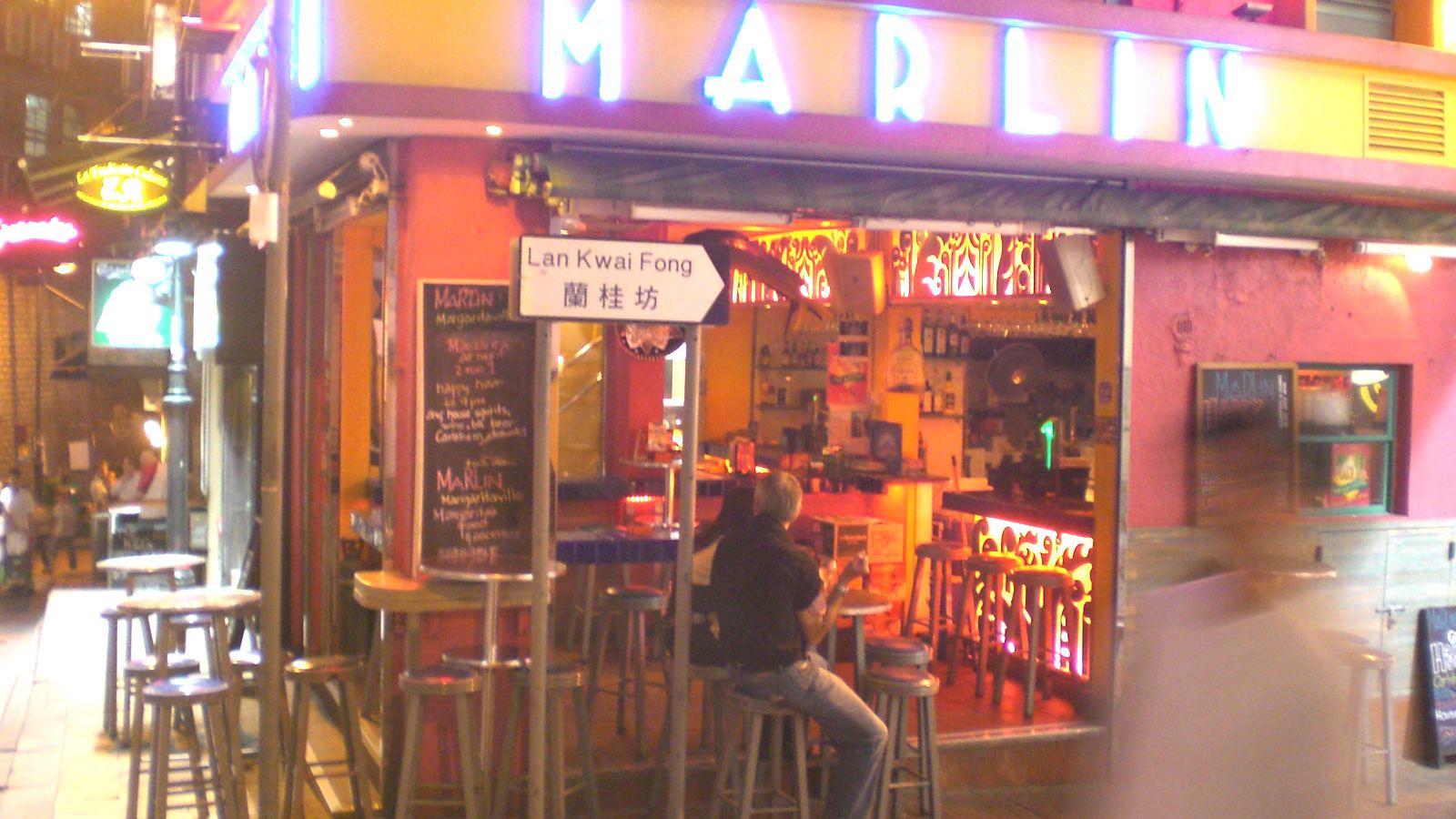
蘭桂坊,第三杯
阿 Mag 分手一個月,同兩個中學同學去蘭桂坊。佢叫咗第三杯長島冰茶。
前度啱啱 send 咗一段好長嘅訊息,話佢而家先知佢有幾好。阿 Mag 讀咗出嚟,兩個朋友即刻話:「唔好返轉頭。」阿 Mag 話:「我知。」佢真係知。佢可以逐條數出嚟,邊次佢生日佢冇出現,邊次佢病佢去咗打波。
讀到最尾,佢眼濕咗。佢笑住話:「冇計,我雙魚座,水做嘅。」兩個朋友都笑,冇人追問。
嗰句星座,等於一張出入證:佢可以喊,又唔使認自己仲痛。
再聽「可惜」
返轉頭聽個歌名,「可惜我是水瓶座」,重點係「可惜」。佢唔係話水瓶座好,佢話可惜:可惜我係我。呢句同「我天生係咁」好似,但其實唔同。佢冇用星座去逃避個決定,個決定佢一早清清楚楚做咗。佢只係用星座,令自己喺朋友面前、喺自己面前,喊得冇咁難睇。
沙特喺度有個限度。佢要求人時時刻刻清醒負責,但首歌話:清醒係要付錢嘅。「要是回去 沒有止痛藥水 拿來長島冰茶換我半晚安睡」,「每天扮著幸福 始終有些心虛」。一個咁清醒嘅人,需要麻醉,需要扮。沙特自己都講過,連「真誠」都可以變成自欺:要一個人無時無刻承認「我就係乜乜」,本身都係將人變成物件。一句半開玩笑嘅星座,可能比一篇自白更誠實:大家都知佢講緊咩,冇人需要拆穿。楊千嬅喺《再見二丁目》入面一個人飲熱茶;六年後,佢喺酒吧飲長島冰茶。兩首都係一個人點樣捱過一晚。
我最鍾意嗰句
我最鍾意係「夠絕情 我都趕我自己出去」。成首歌最勁就係呢句。一般分手歌係「你走」或者「我走」,呢句係「我趕我自己」:佢同時係業主同租客,係落閘嗰個,亦係俾人趕出門嗰個。我覺得呢句講咗離開一段關係最真嘅感覺:唔係贏,係將自己最軟弱嗰部分請出去,因為佢知道,如果留佢喺度,佢一定會應承返轉頭。「夠絕情」三個字,佢唔係對前度絕,係對自己絕。而佢講得咁輕鬆,好似講緊執屋咁,先最令人心痛。
有兩個問題我答唔到。你有冇一句「我天生係咁」,其實係用嚟幫自己捱過一晚?同埋,佢趕走嘅嗰個自己,而家去咗邊?
English
The song
《可惜我是水瓶座》 (Too Bad I’m an Aquarius) is from 楊千嬅 (Miriam Yeung)’s album 《Miriam’s Music Box》, released in February 2003. The lyric is by 黃偉文 (Wyman Wong), the melody by 雷頌德, who arranged it with 羅尚正. That year it was honoured at both the RTHK Top Ten Chinese Gold Songs and TVB’s Jade Solid Gold awards. Wong and Yeung are close friends, and he wrote it for her. The story most often told is that the line about trading Long Island iced tea for half a night’s sleep came from an evening after a breakup of hers, drinking glass after glass in a bar while Wong sat beside her and did not ask. The song is a karaoke staple and something close to a ritual for the recently heartbroken. Wong’s other great song about letting go is Kay Tse’s 《囍帖街》.
Not blind: too clear
The usual reading: after the breakup, her ex suddenly tells her how much he values her, and she refuses to go back. There is a playful twist, too: she blames her star sign.
That is right. But the most painful lines are not about tears. They are these:
「誰人待我好 待我差 太清楚 想繼續裝傻 卻又無力受折磨 心裡羨慕有些人 盲目到不計後果」
“Who treats me well, who treats me badly: I know it too clearly. I want to keep playing dumb, but I can’t bear the torment. In my heart I envy the people who are blind enough not to count the cost.”
Her trouble is not that she cannot see. It is that she sees too well. She envies the blind, because only the blind get to stay. She would like to play the fool, and she cannot.
Then she does something odd: 「尤其明知水瓶座最愛是流淚」, “especially knowing that Aquarians love nothing more than to cry.” In the usual lore of star signs, Aquarius is the cool, detached, cerebral one, hardly the sign that loves to weep. She has made every decision with complete lucidity, and when it is time to cry, she reaches for a horoscope.
Why we blame our nature
The question stands without the song. When someone knows exactly what they have chosen, why do they still say, “I’m just like that”?
Sartre: bad faith
Jean-Paul Sartre, in Being and Nothingness (1943), called this bad faith. Human beings, he argued, have no fixed essence. We are what we choose, moment by moment, and that freedom is heavy. So we flee it by pretending to be things: objects with fixed properties. “I was born this way.” “I had no choice.”
He gave two famous examples. One is a waiter who is a little too much a waiter, every gesture slightly exaggerated, as if he were nothing but his role. The other is a woman on a first date. The man takes her hand. She neither withdraws it nor responds; she leaves it lying there, as though it were not hers but a thing. She does not want to choose, so she acts as if she has not chosen.
Read the song through Sartre and 「水瓶座最愛是流淚」 is a small piece of bad faith. She turns her tears into a property of her birth sign, as if she were crying not because she is in pain but because of the date she was born.
But the rest of the song does the opposite. Sartre’s woman lets her hand lie there. This singer says 「若然道別是下一句 可以閉上了你的嘴」, if goodbye is your next line, you can keep your mouth shut; and 「夠絕情 我都趕我自己出去」, ruthless enough, I will throw myself out. She does not leave her hand lying anywhere. She takes it back. In her decision she is the kind of person Sartre admired: clear-sighted and responsible. Only for her tears does she need a costume.
That is a precise and human division of labour. The choice is owned. The grief is outsourced to the zodiac, where it can be laughed at.
Round three in Bangsar
In Kuala Lumpur, Michelle is a month out of a relationship. On a Friday night in Bangsar she is on her third Long Island iced tea with two friends from university.
Her ex has just sent a long message saying he finally understands how good she was to him. She reads it aloud, and both friends say at once, don’t go back. “I know,” she says, and she does. She could list the evidence: the birthday he missed, the night she had a fever and he went to play futsal.
By the end of the message her eyes are wet. She laughs and says, “Can’t help it, I’m a Pisces, we’re made of water.” Her friends laugh too, and nobody presses her.
The star sign works like a pass. With it she can cry without having to admit that she is still in pain.
Hearing “too bad” again
Listen again to the title, and the word that matters is 可惜, too bad. She is not boasting about being an Aquarius. She is saying: too bad I am who I am. It sounds like “I was born this way,” but it is not quite the same thing. She does not use the star sign to escape the decision; the decision was made long ago, in full daylight. She uses it only so that she can cry in front of her friends, and in front of herself, without it looking so bad.
And here Sartre reaches his limit. He asks for lucidity all the time, and the song says lucidity has a price. 「要是回去 沒有止痛藥水 拿來長島冰茶換我半晚安睡」: if she goes back, there is no painkiller, so she trades Long Island iced tea for half a night’s sleep. 「每天扮著幸福 始終有些心虛」: every day she pretends to be happy, and still feels hollow. Someone this clear-sighted needs anaesthesia, and needs to pretend. Sartre himself saw that sincerity can turn into bad faith: demanding that a person admit at every moment that they simply are this or that is another way of turning them into a thing. A half-joking star sign may be more honest than a confession. Everyone knows what she means, and no one has to say it. In 《再見二丁目》, 楊千嬅 sang of drinking hot tea alone in Tokyo; six years later she is in a bar with Long Island iced tea. Both songs are about getting through one night.
The line I keep
The line I love is 「夠絕情 我都趕我自己出去」: “ruthless enough, I will throw myself out.” It is the strongest line in the song. Most breakup songs say “you go” or “I’m leaving.” This one says “I evict myself.” She is both landlord and tenant, the one who locks the door and the one shown out of it. I think it names something true about leaving: it is not winning, but asking the softest part of yourself to leave, because you know that if it stays it will say yes to going back. 夠絕情, ruthless enough: the ruthlessness is not aimed at him. It is aimed at herself.
Two questions stay with me. Is there a “that’s just how I am” you have used to get through a single night? And the self she threw out: where did it go?
FAQ
- What is the meaning of 可惜我是水瓶座?
- 《可惜我是水瓶座》 is sung by a woman whose ex suddenly says how much he cherishes her, after the breakup. She refuses to go back. She knows too well who treated her badly, envies people blind enough to ignore it, and drinks Long Island iced tea to sleep. She blames her tears on being an Aquarius, and shows herself out.
- Who wrote 可惜我是水瓶座?
- 黃偉文 (Wyman Wong) wrote the lyric and 雷頌德 composed it, arranging it with 羅尚正, for 楊千嬅 (Miriam Yeung)’s album 《Miriam’s Music Box》, released in February 2003. Wong wrote it for Yeung, a close friend, and it won awards at both the RTHK Top Ten Chinese Gold Songs and TVB’s Jade Solid Gold that year.
- What does 誰人待我好 待我差 太清楚 mean?
- “Who treats me well, who treats me badly: I know it too clearly.” The problem is not blindness but sight. This reading uses Sartre’s idea of bad faith: she makes a lucid choice to leave, then blames her tears on a fixed nature, her star sign, as if they were not also hers.
資料
《可惜我是水瓶座》 · 主唱 楊千嬅 (Miriam Yeung) · 填詞 黃偉文 (Wyman Wong) · 2003 ·聽歌 Listen