時代巨輪意思:好想嗌暫停,怕身邊觀眾便離座
陳奕迅 (Eason Chan) · 填詞 林若寧 ·

答案《時代巨輪》意思:陳奕迅(Eason Chan)主唱,林若寧填詞,Eric Kwok、孫偉明作曲,2007 年。一般當係講香港節奏太快,人俾時代推住走。但首歌最痛嘅一句係「好想嗌暫停想一想哪樣過 怕 想一想以後 身邊觀眾便離座」。推住我哋跑嘅,唔止時代,仲有我哋自己對被遺忘嘅驚。
The meaning of 《時代巨輪》 (Wheel of the Era): Eason Chan (陳奕迅) sings 林若寧’s lyric to music by Eric Kwok and 孫偉明, from 2007. It is heard as a song about a city that moves too fast. Its sharpest line is about fear: he wants to shout stop and think, but fears that if he does, 「身邊觀眾便離座」, the audience will leave.
廣東話
首歌
《時代巨輪》係陳奕迅 2007 年 10 月大碟《Listen To Eason Chan》第九首歌,林若寧填詞,Eric Kwok 同孫偉明作曲,Eric Kwok 同 Eason 編曲。林若寧亦寫咗《七百年後》。首歌節奏急,好似一部停唔到嘅機器:計劃、建立、抉擇,由 BB 班開始,日日都要上路、進步。好多打工仔聽落,都似講緊自己。
停唔到,係因為驚
一般解析話:呢首係講時代太快,社會迫人跑,跑到攰都唔可以停。副歌最多人記得:
「天天迫我上路 天天迫我進步 難避免捲入時代太恐怖」
講得啱。但首歌嘅 bridge 講咗一樣更細、更痛嘅嘢:
「我 想好好抉擇 好想嗌暫停想一想哪樣過 怕 想一想以後 身邊觀眾便離座」
佢唔係唔識停,係唔敢停。佢驚停落嚟,就冇人再睇佢。
仲有開頭一句好準:「一開始誕下已經蒼老 一開始拍翼已追不到」。出世嗰下已經老咗,未飛已經追唔上。即係話,呢場比賽喺佢入場之前已經開始。
越跑越快,點解反而企喺原地?
唔使首歌都問得出:點解我哋有咁多慳時間嘅科技,反而越嚟越冇時間?停一停,係咪真係會被淘汰?
羅薩:社會加速
德國社會學家、哲學家羅薩(Hartmut Rosa)研究「社會加速」。佢話現代社會有三種加速:科技加速(交通、通訊越嚟越快)、社會變遷加速(工作、潮流、知識越嚟越快過時),同埋生活節奏加速(我哋要喺同一段時間做更多嘢)。
最奇怪嘅係:科技本應慳返時間,但我哋冇因此得閒,因為社會變得更快,我哋要跑更快先跟得上。羅薩用咗一個比喻:好似企喺一條向下滑嘅扶手電梯上面,你唔跑,就會跌落去。佢仲講咗一個好矛盾嘅狀態,叫「瘋狂嘅停滯」:一切都喺度高速轉,但冇嘢真係改變。
將佢擺返入首歌,「無能力修正 無能力嗌停」就係羅薩講嘅電梯;「無止境換節目 肥皂劇日與夜延續」就係瘋狂嘅停滯:日日都新,但日日都一樣。
但另一位哲學家韓炳哲(Byung-Chul Han)會追問:「天天迫我」,邊個迫?佢話今日冇老闆揸住鞭,我哋自己迫自己,叫做「自我剝削」。首歌嘅「身邊觀眾」,就係呢條鞭。
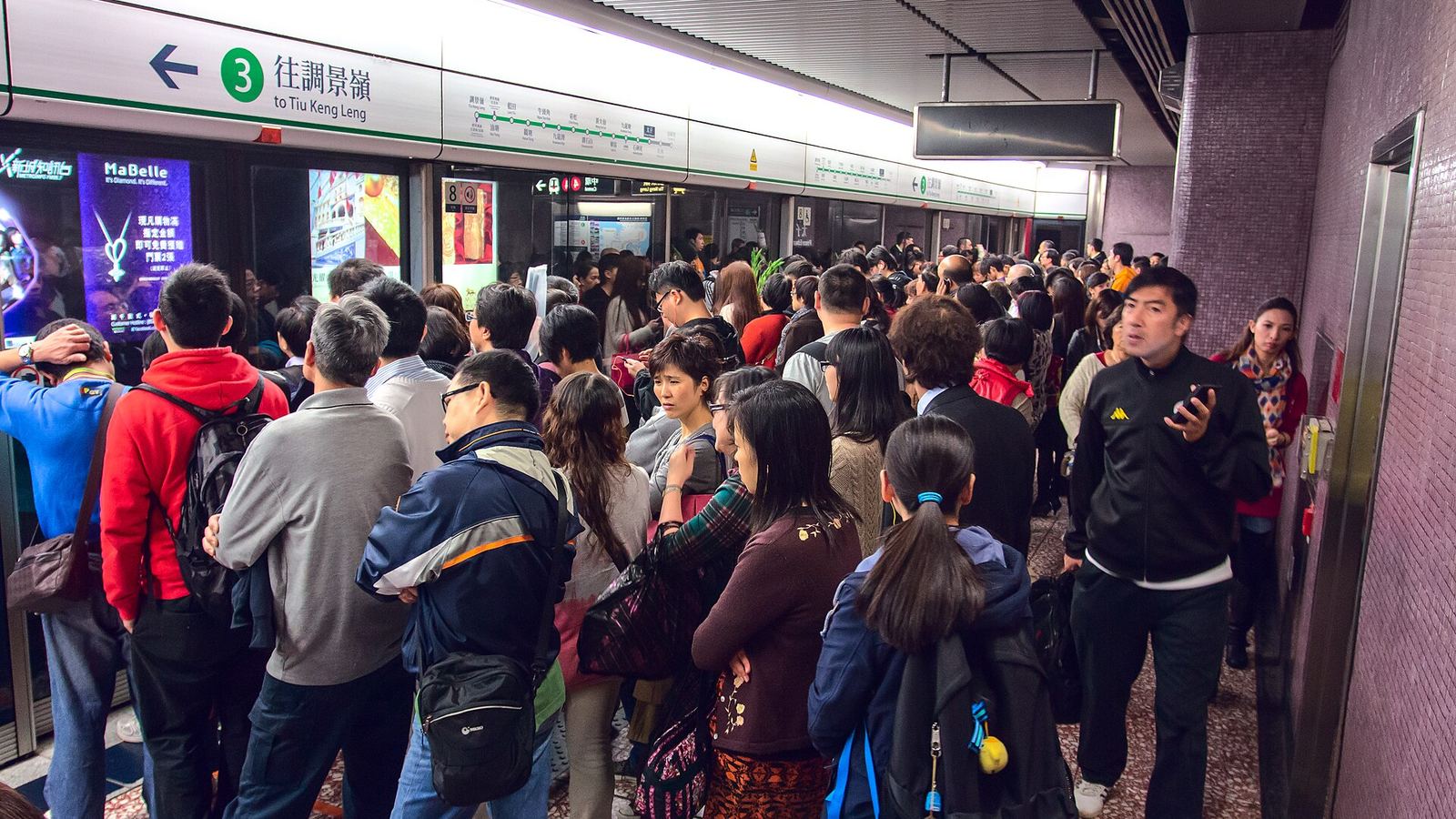
將軍澳綫,八點零五
北角站,將軍澳綫往調景嶺月台,朝早八點零五分。阿琛排咗兩班車都上唔到,手機一路震:工作 group、家長 group、仔仔 BB 班老師提醒聽日面試練習。
佢個仔兩歲。佢同老婆報咗兩間 playgroup,為咗明年嘅 K1 面試。佢自己細個冇讀過 BB 班,但而家人人都讀,唔讀好似就會輸。
上到車,佢企喺門口,諗:其實我想停一年。但佢即刻想到,停咗,公司會唔會搵第二個?朋友聚會講升職,佢講咩?
車門關。佢冇停。
再聽「身邊觀眾便離座」
返轉頭聽,呢句令成首歌由社會批判變成自白。時代巨輪係真,但令佢停唔到嘅,有一半係「觀眾」:同事、朋友、屋企人、社交媒體,同埋佢自己心入面嗰個一直望住佢嘅人。
呢個係首歌比「時代太快」講多咗嘅地方:巨輪唔止喺外面,亦喺我哋點樣睇自己。
羅薩喺度都有頂唔順嘅位。佢嘅答案唔係減速,係「共鳴」:搵返一啲會回應你嘅關係,人、自然、工作本身。但首歌冇搵到。佢最後仍然係「難避免捲入時代太恐怖」。而且,對好多人嚟講,停唔到唔係心理問題,係經濟問題:要供樓、要養仔,觀眾走唔走都要上班。
我最鍾意嗰句
我最鍾意係「長袖或背心 零食或正餐 護理跟拆爛 娛樂或上班」。成首歌講大時代,但呢句講嘅係好細嘅選擇:今日著咩,食咩,照顧自己定放棄。我覺得呢句好真:令人攰嘅唔止係大決定,係每日幾十個細決定,一個接一個,冇得停。「護理跟拆爛」四個字最好笑亦最痛,一日之內,你可以兩樣都做。朝早落 order 有機沙律,夜晚食完一包薯片先瞓,好多人一日就係咁過。
我有兩個問題答唔到。如果你停一年,你最驚邊個觀眾離座?同埋,如果觀眾真係走晒,你仲會唔會繼續跑?
English
The song
《時代巨輪》 (Wheel of the Era) is the ninth track on 《Listen To Eason Chan》, the album 陳奕迅 (Eason Chan) released on 18 October 2007. The lyric is by 林若寧, who also wrote 《七百年後》, and the music by Eric Kwok and 孫偉明, with arrangement by Eric Kwok and Chan. The song moves at a driving pace, like a machine that cannot be switched off: planning, building, choosing, from baby classes onward, pushed every day to move on and improve. Many working people hear themselves in it.
Unable to stop, because afraid
The usual reading is that the song is about an era that moves too fast, a society that drives people to run until they drop. The chorus everyone remembers says so:
「天天迫我上路 天天迫我進步 難避免捲入時代太恐怖」
“Every day I am forced onto the road, every day forced to improve; there is no escaping being swept into a terrifying age.”
That is right. But the bridge says something smaller and more painful:
「我 想好好抉擇 好想嗌暫停想一想哪樣過 怕 想一想以後 身邊觀眾便離座」
“I want to choose well; I want to shout ‘pause’ and think how to live. I fear that if I stop to think, the audience around me will leave their seats.”
He is not unable to stop. He does not dare. He fears that if he stops, no one will be watching any more.
The verses are full of this compulsion, rendered as a list. 「停不低地計劃 停不低地建立」, “unable to stop planning, unable to stop building.” 「流水式做馬達 流水式唸對白」, “working like a motor on a production line, reciting lines like a production line.” 「零空間為歲月留白」, “no space left to leave the years blank.” The images are mechanical: motor, assembly line, script. A person has become a component, and a component does not get to ask whether it wants to keep turning.
The opening has already set the terms: 「一開始誕下已經蒼老 一開始拍翼已追不到」, “at birth already old; at the first beat of the wings, already unable to catch up.” The race began before he entered it.
Why does running faster leave us standing still?
The question does not need the song. Why do we have so much time-saving technology and so little time? And would stopping really mean being left behind?
Rosa: social acceleration
The German sociologist and philosopher Hartmut Rosa has made this question his life’s work. He distinguishes three kinds of acceleration in modern societies: technological acceleration, in transport, communication and production; the acceleration of social change, as jobs, fashions, families and knowledge go out of date ever faster; and the acceleration of the pace of life, as we try to fit more actions into each hour.
The paradox is that the first should relieve the third. Faster machines should free up time. Instead, because the world itself changes faster, we must run faster simply to keep our place. Rosa’s image is a downward escalator, or a slipping slope: stand still and you fall behind. He calls the resulting condition frenetic standstill, a state in which everything is moving at great speed and nothing really changes.
Read the song with Rosa in mind and 「無能力修正 無能力嗌停」, “no power to correct course, no power to shout stop,” is the escalator. 「無止境換節目 肥皂劇日與夜延續」, “endlessly changing programmes, the soap opera running day and night,” is the frenetic standstill: new every day, and every day the same.
Byung-Chul Han presses on this with a question the chorus raises without answering. 「天天迫我」: who is doing the forcing? In Han’s account, the achievement society no longer needs a master with a whip. We exploit ourselves, freely, in the name of improvement. The song’s 「身邊觀眾」, the audience at his side, is that whip.
The career break
In Singapore, Priyanka is thirty-nine and a product manager at a technology firm in one-north. For two years she has kept a document on her laptop titled “Sabbatical,” with a budget, a route through Japan and Portugal, and a date.
The date has moved three times. Each time she gets close, she imagines the conversation with her manager, the colleague who would inherit her team, the LinkedIn posts of former classmates announcing promotions while she is in Lisbon. She imagines coming back at forty and being a year out of date in an industry that measures relevance in quarters.
Last month she moved the date again. She told her husband it was a bad time because of a product launch. He pointed out, gently, that there is always a launch.
Hearing the hinge again
Listen again, and the bridge turns the song from social criticism into confession. The wheel of the era is real. But half of what keeps the singer from stopping is the audience: colleagues, friends, family, social media, and the watcher inside his own head.
That is what the return can say that the first reading could not. The wheel is not only out there. It is also in how we watch ourselves.
Rosa also explains why the fear of the audience is not irrational. In an accelerated society, standing still is not neutral. If everyone else keeps moving, the one who stops actually falls behind, in skills, in contacts, in relevance. The fear 「身邊觀眾便離座」 is a correct perception of how the escalator works. What Rosa adds is that this correct perception, multiplied across a whole society, is what keeps the escalator running. Each person’s reasonable fear becomes everyone’s compulsion.
Rosa’s idea reaches its limit here, as the song does. His answer is not slowing down but resonance: relationships to people, nature and work that answer back, that move us and that we can move. The song never finds resonance. It ends where it began, 「難避免捲入時代太恐怖」. And for many people, not stopping is not a psychological problem at all but an economic one. With a mortgage and a child, the bills arrive whether or not the audience stays in its seats.
The line I keep
The line I love is 「長袖或背心 零食或正餐 護理跟拆爛 娛樂或上班」, “long sleeves or a vest, snacks or a proper meal, looking after yourself or letting it all go, fun or work.” The song is about a great era, and this line is about tiny choices: what to wear, what to eat, whether to care for yourself or give up. I think it is the truest line in the song. What exhausts us is not only the big decisions but the dozens of small ones, each following the last without a break. The phrase 護理跟拆爛, “self-care versus letting it all go to ruin,” is the funniest and saddest: in a single day, you can do both.
Two questions stay with me. If you stopped for a year, which member of the audience would you most fear seeing leave? And if the audience did leave, would you keep running anyway?
FAQ
- What is the meaning of 時代巨輪?
- 《時代巨輪》 describes a life that cannot stop: planning, building, choosing, from baby classes onward, pushed every day to move and improve. The singer feels he was born already old and already behind. He wants to pause and think, but fears that pausing would make the audience around him leave. The wheel is the era, and also his fear.
- Who wrote 時代巨輪?
- The lyric is by 林若寧, and the music by Eric Kwok and 孫偉明, with arrangement by Eric Kwok and 陳奕迅 (Eason Chan). It appeared on 《Listen To Eason Chan》, released on 18 October 2007. 林若寧, a student of 林夕, also wrote Chan’s 《七百年後》.
- What does 怕 想一想以後 身邊觀眾便離座 mean?
- “I fear that if I stop to think, the audience around me will leave their seats.” It is the song’s turn. The pressure is not only from the era but from being watched. He keeps performing because stopping might mean being forgotten, so part of the wheel he cannot stop is made of his own fear.
資料
《時代巨輪》 · 主唱 陳奕迅 (Eason Chan) · 填詞 林若寧 · 2007 ·聽歌 Listen