七百年後意思:文明能壓碎,情懷不衰
陳奕迅 (Eason Chan) · 填詞 林若寧 ·

答案《七百年後》意思:陳奕迅(Eason Chan)主唱,林若寧填詞,柳重言作曲,靈感來自電影《WALL-E》。一般當係環保加情歌。但佢送俾愛人嘅全部係被淘汰嘅嘢:破黑膠、破燈泡、卡式帶、兒時玩具。「文明能壓碎 情懷不衰」:愛,係由進步掉低嘅垃圾砌返出嚟。
The meaning of 《七百年後》 (Seven Hundred Years Later): Eason Chan (陳奕迅) sings 林若寧’s lyric to 柳重言’s melody, inspired by the film *WALL-E*. It is heard as an environmental love song. But every gift is obsolete: a broken record, a broken bulb, cassettes, childhood toys. Love is built from what progress threw away.
廣東話
首歌
《七百年後》係陳奕迅 2009 年 3 月大碟《H³M》入面嘅歌,同《沙龍》同一張碟。林若寧填詞,柳重言作曲,C.Y. Kong 編曲。林若寧係林夕嘅大弟子,首歌靈感來自 Pixar 動畫《WALL-E》:人類污染完地球就搭太空船走咗,淨低一部垃圾機械人執咗七百年垃圾。首歌由機械人把口唱,對住天上嗰個金色太空艙。當年攞咗 CASH 金帆最佳歌詞,喺一年林夕黃偉文輪流攞獎嘅日子入面殺出嚟。
佢送嘅全部係垃圾
一般解析話:呢首係環保歌加情歌,講人類破壞地球,但愛情可以跨越七百年。副歌最多人唱:
「文明能壓碎 情懷不衰」
講得啱。但留意佢送咗乜俾對方:「破黑膠」、「破燈泡」、「一箱卡式帶」、「兒時玩具」。冇一樣係新嘅,冇一樣係有用嘅。全部係時代掉低嘅嘢。
而佢自己都一樣:「我廢置一方 抬頭便會為你守望」。佢本身就係被棄置嗰件。
所以「情懷不衰」唔係話愛好勁,打得贏時間。佢係話:成個世界都喺度升級、淘汰、掉嘢,淨係愛,肯執返啲被掉低嘅嘢,當寶。
一個不停升級嘅世界,點樣愛舊嘢?
唔使首歌都問得出:當所有嘢都會被更新嘅取代,包括我哋自己,咁「珍惜」仲有冇意思?
本雅明:歷史天使同拾荒者
德國思想家本雅明(Walter Benjamin)寫過一段好出名嘅文字。佢話有一幅畫,畫咗個「歷史天使」:天使面向過去,見到嘅唔係一連串進步,而係一場災難,頹垣敗瓦越堆越高,堆到佢腳邊。佢想停低,喚醒死者,整返好啲爛咗嘅嘢。但天堂吹嚟一陣風暴,吹住佢倒退住飛向未來。本雅明話:呢陣風暴,我哋叫佢做「進步」。
呢個天使,好似 WALL-E。歌詞第一段就係嗰陣風:「一天天催迫生活在現代化 繽紛星空拋低我寄存繁榮垃圾崗」。「繁榮」同「垃圾崗」擺埋一齊,就係本雅明想講嘅嘢:繁榮同垃圾,係同一樣嘢嘅兩面。
本雅明亦好鍾意另一個人物:拾荒者。喺垃圾堆入面揀嘢,將人哋唔要嘅嘢執返嚟,俾佢第二次生命。首歌嘅機械人就係拾荒者,佢嘅情歌,就係一張執返嚟嘅清單。
鴨寮街
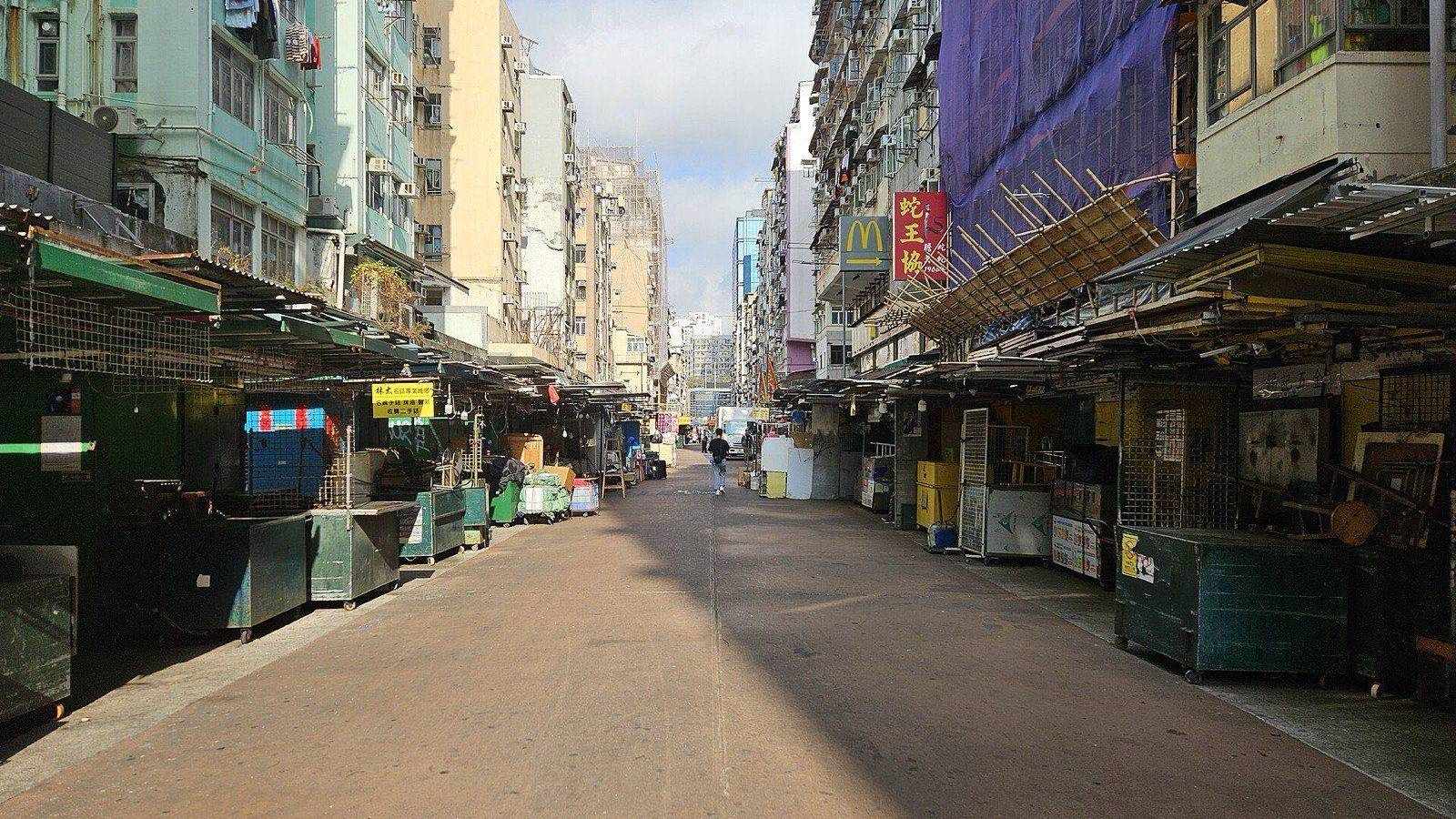
深水埗鴨寮街,有個檔口賣舊卡式帶、黑膠同 Walkman。檔主梁生七十幾歲,擺咗三十幾年。
有日一個後生仔拎住部爛 Walkman 嚟,話係佢阿爸留低嘅。阿爸上個月走咗,部機入面仲有盒帶,係阿爸自己錄嘅歌。
梁生拆開部機,換咗條皮帶,搞咗半個鐘。部機轉返,播出嚟係一首好舊嘅粵語歌,夾住一把好細聲嘅聲:阿爸喺錄音中途咳咗一聲。
後生仔企喺檔口前面,冇出聲。梁生冇收佢錢。
再聽「情懷不衰」
返轉頭聽,「文明能壓碎 情懷不衰」唔係一句樂觀嘅說話。佢係一個拾荒者嘅說話:文明會壓碎嘢,而情懷,就係企喺碎片入面,一件一件執返起身嘅嗰種固執。
最後一句仲要轉多個彎:「七百年 隨年歲 記憶老去 仍然有你的忠心愛侶」。連記憶都會老,忠心都仲喺度。即係話,忠心唔靠記得,靠繼續做:日日守望,日日執。
但本雅明喺度亦都頂唔順。佢嘅拾荒者有政治意思:執返被歷史掉低嘅人,等佢哋有一日得到救贖。首歌冇咁大志,佢只係一首情歌。而且懷舊本身都可以係一種逃避:我哋喺垃圾入面揀靚嘢,覺得好浪漫,但製造垃圾嘅,正正係我哋自己。首歌開頭「多得你原諒我骯髒」,可能唔止係機械人講,係我哋所有人講。
我最鍾意嗰句
我最鍾意係「多得你原諒我骯髒」。一部執咗七百年垃圾嘅機械人,見到一個發金光嘅人,第一句唔係我愛你,係多謝你唔嫌我污糟。我覺得呢句係成首歌最卑微、亦最溫柔嘅位。佢唔係要對方愛佢,只係要對方唔走開。好多人第一次愛人,其實都係咁開始:先擔心自己唔夠乾淨。而我聽多幾次,就覺得呢句亦係講俾我哋聽:整污糟成個地球嘅,係我哋。
我有兩個問題答唔到。你屋企有冇一件早就冇用、但你點都唔肯掉嘅嘢?同埋,七百年後,如果真係有人執到我哋嘅垃圾,佢會唔會知道入面有愛?
English
The song
《七百年後》 (Seven Hundred Years Later) appears on 《H³M》, the album 陳奕迅 (Eason Chan) released in March 2009, the same record as 《沙龍》. The lyric is by 林若寧, the best-known student of 林夕 (Albert Leung), and the music by 柳重言, with arrangement by C.Y. Kong. The idea came from Pixar’s WALL-E, in which humanity, having buried the Earth in waste, leaves by spaceship and abandons a small rubbish-compacting robot who keeps working for seven hundred years. The song is sung by that robot, looking up at a golden spacecraft. It won the best lyric award at the 2009 CASH Golden Sail Music Awards, breaking into a field that 林夕 and 黃偉文 usually shared between them.
Every gift is rubbish
The usual reading treats it as an environmental song wrapped in a love song: humanity has ruined the planet, but love outlasts seven centuries. The chorus line everyone sings supports this:
「文明能壓碎 情懷不衰」
“Civilisation can be crushed; feeling does not fade.”
That is right. But look at what the singer offers. 「破黑膠」, a broken vinyl record. 「破燈泡」, a broken light bulb. 「一箱卡式帶」, a box of cassettes. 「兒時玩具」, childhood toys. Nothing is new, and nothing is useful. Every gift is something the age has thrown away.
The singer is no different: 「我廢置一方 抬頭便會為你守望」, “I am discarded off to one side; when I look up, I keep watch for you.” He is himself the most discarded thing in the song.
So 「情懷不衰」 does not mean that love is strong enough to defeat time. It means that in a world that upgrades and discards without pause, love is the one thing willing to pick up what was thrown away and treat it as treasure.
How do you love old things in a world that keeps upgrading?
The question does not need the song. When everything will be replaced by something newer, ourselves included, does cherishing anything still make sense?
Benjamin’s angel and the ragpicker
Walter Benjamin wrote one of the most famous passages of the twentieth century about a painting by Paul Klee. He called its figure the angel of history. The angel faces the past. Where we see a chain of events, he sees a single catastrophe, piling wreckage upon wreckage at his feet. He would like to stay, to wake the dead and make whole what has been smashed. But a storm blows from Paradise, caught in his wings, and drives him backwards into the future while the pile of debris grows skyward. This storm, Benjamin writes, is what we call progress.
The robot is that angel. The song’s first verse is the storm: 「一天天催迫生活在現代化 繽紛星空拋低我寄存繁榮垃圾崗」, “day after day pressed into modern living; the dazzling stars leave me behind, stored on a prosperous rubbish heap.” The phrase 「繁榮垃圾崗」, “prosperous rubbish heap,” sets two words side by side that a brochure would keep apart, and that is precisely Benjamin’s point. Prosperity and the rubbish heap are the same thing seen from two sides.
In the same text Benjamin wrote that there is no document of civilisation which is not at the same time a document of barbarism. The song’s chorus turns that sentence inside out. 「文明能壓碎」: civilisation is not only what is built; it is also what crushes. The monuments of progress stand on what it has flattened, and the song is sung from underneath, by one of the flattened things. That is why the robot’s gifts matter. Each broken record and dead bulb is a small document of what the storm left behind.
Benjamin had a second figure he loved: the ragpicker, who sorts through what the city has thrown out and gives it a second life. He thought the historian should work the same way, gathering what the victors discarded. The robot is a ragpicker, and his love song is an inventory of salvage.
The karang guni man
In Singapore, Mr Lim has been a karang guni man in Toa Payoh for thirty-one years. Twice a week he walks the blocks with his trolley, calling for old newspapers, broken fans and unwanted radios, which he sorts and sells by weight.
He keeps one thing from every flat he clears after a death. A biscuit tin of buttons. A cassette labelled in a careful hand, “Ah Ma’s songs, 1987.” A child’s plastic watch that stopped years ago. His wife complains that the storeroom is full. He tells her that the families did not want these things, and that somebody should.
Last year a woman came looking for him. She had thrown away her father’s things in a hurry after his funeral and regretted it. Mr Lim found the cassette in his storeroom. She played it in her car in the void deck and heard her father, forty years younger, singing badly along to a Cantonese song.
Hearing the hinge again
Listen again, and 「文明能壓碎 情懷不衰」 is not an optimistic line. It is a ragpicker’s line. Civilisation crushes things, and feeling is the stubbornness that stands among the fragments and picks them up one by one.
The final line takes a further turn: 「七百年 隨年歲 記憶老去 仍然有你的忠心愛侶」, “seven hundred years; with the years, memory grows old; yet you still have your faithful lover.” Even memory ages, and faithfulness remains. Faithfulness, then, does not depend on remembering. It depends on continuing to do something: keeping watch, picking up, offering again. That is what the first reading could not hear. Love here is not a feeling that survives. It is a practice that refuses to stop.
But Benjamin’s angel carries more than the song can bear. His ragpicker had a political and almost theological task: to gather the defeated of history so that one day they might be redeemed. The song has no such ambition; it is a love song. And nostalgia has its own danger. To find beauty in the rubbish heap can become a way of forgiving ourselves for making it. The song’s first verse knows this, which is why its humblest line is also its most pointed.
The line I keep
The line I love is 「多得你原諒我骯髒」, “thank you for forgiving my filth.” A machine that has sorted rubbish for seven hundred years sees someone glowing gold, and its first words are not “I love you” but “thank you for not minding that I am dirty.” I find it the humblest and tenderest moment in the song. He does not ask to be loved, only not to be left. Many first loves begin that way, with the fear of not being clean enough. And I hear in it something addressed to all of us, who made the dirt.
Two questions stay with me. Is there something in your home that stopped being useful long ago and that you still cannot throw away? And seven hundred years from now, if someone sorts through our rubbish, will they be able to tell that there was love in it?
FAQ
- What is the meaning of 七百年後?
- 《七百年後》 is sung by a discarded machine, left behind on a ruined Earth, to someone who passes in a golden spaceship. He offers her scratched records, broken bulbs and old cassettes, and promises that civilisation can be crushed while feeling endures. It is a love song made entirely out of rubbish, and a quiet accusation against the progress that produced it.
- Who wrote 七百年後?
- The lyric is by 林若寧, 林夕’s best-known student, and the music by 柳重言. 陳奕迅 (Eason Chan) released it in March 2009 on the album 《H³M》. Inspired by Pixar’s *WALL-E*, it won the best lyric award at the 2009 CASH Golden Sail Music Awards, among other lyric prizes that year.
- What does 文明能壓碎 情懷不衰 mean?
- “Civilisation can be crushed; feeling does not fade.” It is usually heard as a simple promise that love outlasts disaster. In the song, though, the feeling survives by holding on to what civilisation discarded. The line is less about love beating time than about love being the one thing that refuses to treat old things as rubbish.
資料
《七百年後》 · 主唱 陳奕迅 (Eason Chan) · 填詞 林若寧 · 2009 ·聽歌 Listen
來源 Sources
更新 : Added a free-licensed banner photo with credits.