夕陽無限好意思:夕陽平常事,永遠不相似
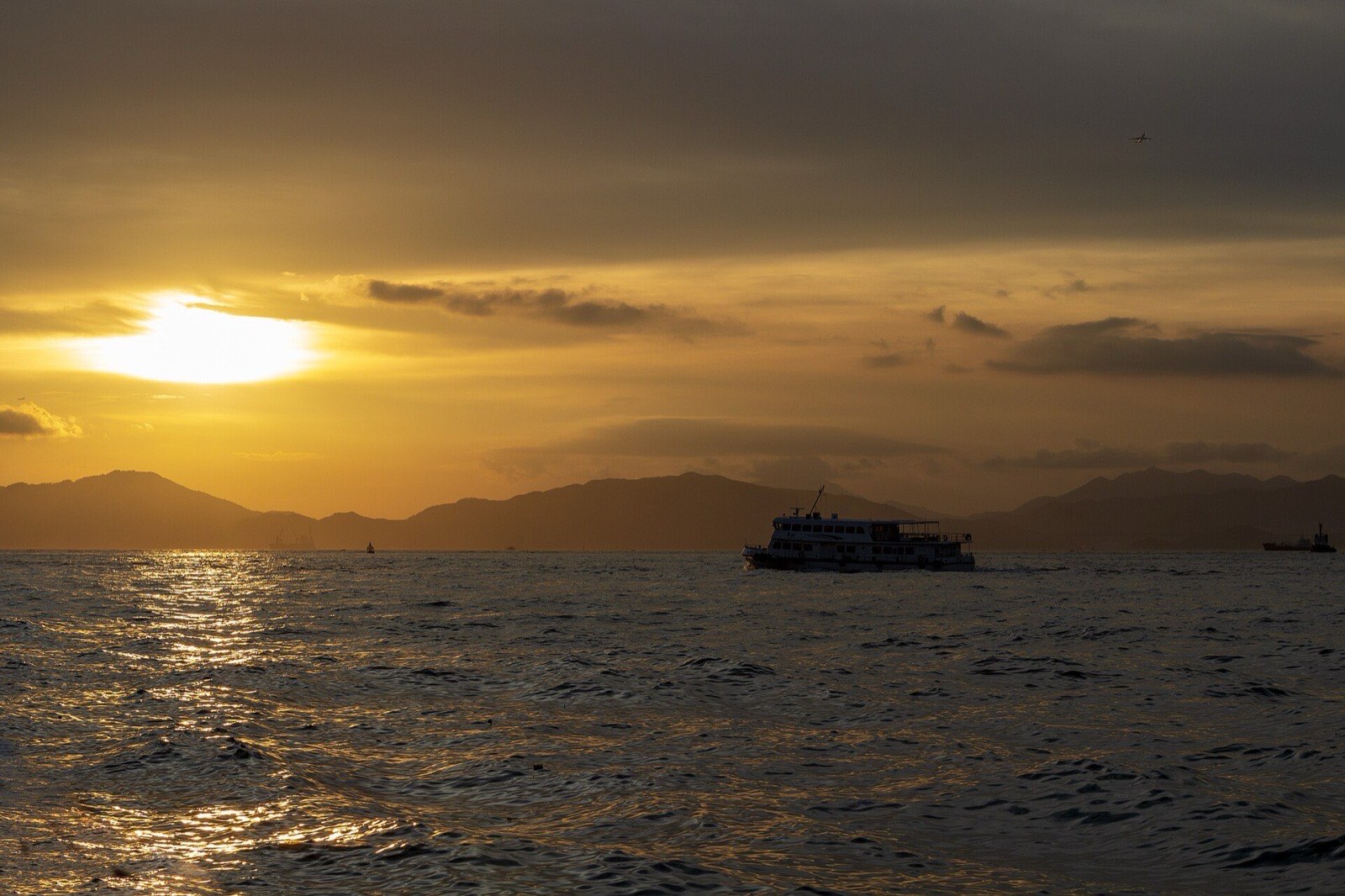

答案《夕陽無限好》意思:陳奕迅(Eason Chan)主唱,林夕(Albert Leung)填詞,Eric Kwok 作曲。一般話係借李商隱講無常:靚嘢都會完,要獻便獻吻。但最尾一句反轉咗:「好風景多的是 夕陽平常事 然而每天眼見的 永遠不相似」。無常唔止係失去,亦係每日都新。
The meaning of 《夕陽無限好》 (The Sunset Is Infinitely Fine): Eason Chan (陳奕迅) sings Albert Leung’s (林夕) lyric to Eric Kwok’s melody. It borrows Li Shangyin’s lament that beauty nears its end. Its coda turns the lament: sunsets are ordinary, yet no two are alike. Impermanence is loss, and also why each day is new.
廣東話
首歌
《夕陽無限好》係陳奕迅 2005 年 6 月大碟《U87》嘅主打,林夕填詞,Eric Kwok 作曲。當年幾個電台都上過冠軍,仲攞咗港台全球華人至尊金曲。歌名借唐朝李商隱《登樂遊原》:「夕陽無限好,只是近黃昏」。首歌由頭到尾都係列清單:歌后一眨眼走咗,山丘變蟻丘,好兄弟未必撐到底,愛侶會另覓安慰。演唱會 encore 成日見到佢。
最尾嗰兩句
一般解析話:呢首係講無常。靚嘢都會完,所以「風花雪月不肯等人 要獻便獻吻」,及時行樂。同《一絲不掛》一樣,林夕又講緊佛家嘅放低。
講得啱,首歌九成都係咁。但大家聽到副歌就收工,冇留意最尾嗰兩句:
「好風景多的是 夕陽平常事 然而每天眼見的 永遠不相似」
前面成首歌都喺度數失去,去到尾,林夕突然話:夕陽有咩咁特別,日日都有。只不過,冇一日係一樣。
仲有一個細節。李商隱寫「只是近黃昏」。林夕副歌入面唱兩次「夕陽無限好」,第一次接「天色已黃昏」,第二次接「卻是近黃昏」。一個字,聲音完全唔同。
會變,係咪一定係壞事?
唔使首歌都問得出:我哋講無常,通常係講失去。但如果樣樣嘢都會變,係咪都即係話,樣樣嘢都係新嘅?
赫拉克利特:太陽每日都係新嘅
古希臘哲學家赫拉克利特(Heraclitus)最出名嗰句,係你唔可以兩次踏入同一條河。冇咁出名嗰句,同首歌更夾:「太陽每日都係新嘅。」
佢唔係講天文。佢講緊,世界係一團一直燒緊嘅火,冇嘢停得低。條河之所以係條河,正正因為啲水一直流走。你想留住條河,就即係想佢唔再係河。
將佢擺返入首歌,「夕陽平常事」同「永遠不相似」就唔係矛盾。夕陽係平常,因為日日都有;永遠唔同,因為日日都變。同一樣嘢令佢平常,亦令佢珍貴。
而首歌本身係佛家嘅無常,赫拉克利特只係幫手講多一面。佛家話:無常,所以唔好執著。最尾兩句就加咗一層:無常,所以值得睇。
西環碼頭
星期六黃昏,西環海旁坐滿人。後生女企喺邊位,手機舉高高,等日落最紅嗰十秒。日頭一落山,一半人即刻收工,搭車去食飯,IG 已經 post 咗。
旁邊有個阿伯,揸住部收音機,每日都嚟。佢話自己退休十年,住堅尼地城,日日行過嚟睇。
有人問佢:「日日都睇,唔悶咩?」
阿伯指一指天邊:「你睇,今日啲雲係紫色。尋日冇。」
天色真係已經黃昏,但佢冇急住走。佢坐到啲燈著晒,先執收音機返屋企。
再聽「卻是近黃昏」
返轉頭聽,副歌上半句係「天色已黃昏」,下半句係「卻是近黃昏」。「只是」好似一聲嘆氣;「卻是」係轉折,好似話:好係好,但係……首歌喺副歌入面仲係驚。驚完,先去到最尾嗰兩句。
即係話,首歌自己行咗一段路:由驚,行到見到。「要獻便獻吻」唔係慌失失,係因為今晚嘅夕陽,聽日真係冇。
但赫拉克利特喺度都有頂唔順嘅位。夕陽聽日會再嚟,但「從前並肩的好兄弟」唔會,「另覓安慰」嗰個愛侶都唔會。有啲失去,唔會變返新嘢返嚟。首歌最尾望住天,係因為天嘅嘢先講得出呢種安慰。人嘅嘢,林夕冇話佢會再嚟。歌詞亦自己認咗:「世事無常還是未看夠 還未看透」。
我最鍾意嗰句
我最鍾意係「長存在心底的傾慕 一秒夠細數」。你諗住一份愛有幾大,放喺心入面幾多年,原來數嘅時候,一秒就數完。我覺得呢句好殘忍,亦好準。唔係話份愛細,係話記憶本身好細,存咗十年,攞出嚟得一秒。我第一次聽嗰陣,以為佢講失戀;後來先覺得,佢講緊每一樣我以為好大嘅嘢。呢句擺喺一首講夕陽嘅歌入面,就更加痛:日落都係一秒鐘嘅嘢,但佢第二日會再嚟,記憶唔會。
我有兩個問題答唔到。你上一次專登睇日落,係幾時,有冇影相?同埋,林夕改咗「只是」做「卻是」,係為咗押韻,定係專登?
English
The song
《夕陽無限好》 (The Sunset Is Infinitely Fine) was a lead single from 《U87》, the Cantonese album 陳奕迅 (Eason Chan) released in June 2005. The lyric is by 林夕 (Albert Leung) and the melody by Eric Kwok. It topped Hong Kong’s radio charts and won a 全球華人至尊金曲 award from RTHK that year. The title quotes the Tang poet 李商隱 (Li Shangyin): 「夕陽無限好,只是近黃昏」, “the setting sun is infinitely fine; it is only that dusk is near.” The song is a list of things that do not last: a diva gone in a blink, green hills turned to anthills, a friend who may not hold on, a lover who finds comfort elsewhere. It is a familiar concert encore.
The last two lines
The usual reading is that the song is about impermanence. Everything beautiful ends, so 「風花雪月不肯等人 要獻便獻吻」, “romance will not wait for anyone; if you would offer a kiss, offer it now.” It is 林夕 in his Buddhist register, as in 《一絲不掛》, counselling a person to loosen their grip.
That is right about most of the song. But listeners tend to stop at the chorus, and miss the two lines that close it:
「好風景多的是 夕陽平常事 然而每天眼見的 永遠不相似」
“Fine scenery is plentiful; a sunset is an ordinary thing. And yet what you see each day is never alike.”
The whole song has been counting losses. At the very end, 林夕 shrugs: what is so special about a sunset? There is one every evening. Only, no two are the same.
There is a second detail. Li Shangyin wrote 只是, “it is only that,” dusk is near. 林夕’s chorus sings the line twice. The first time it is followed by 「天色已黃昏」, “the sky is already dusk”; the second time by 卻是, “and yet it is,” near dusk. One character changes, and the line changes its voice.
Is change only loss?
The question does not need the song. When we speak of impermanence, we nearly always mean loss. But if everything changes, does it not also follow that everything is new?
Heraclitus: the sun is new each day
The Greek philosopher Heraclitus is best known for the claim that you cannot step into the same river twice. A less famous fragment, preserved by Aristotle, fits this song more closely: “the sun is new each day.”
Heraclitus was not making an astronomical point. He thought of the world as an ever-living fire, kindled and quenched in measures, in which nothing stands still. A river is a river precisely because its water keeps leaving. To wish that it would stay is to wish it were no longer a river. Change, for him, is not what happens to things. It is what things are.
Heraclitus is often read as a philosopher of loss, as if the river fragment were a lament. It is closer to the opposite. The fire that consumes is the same fire that keeps the world alight; strife, he says, is the father of all things. What destroys the old sunset is what makes the new one. A person who wanted the world to stop changing would be wishing away the very process that produces anything worth seeing.
This gives the coda its logic. 「夕陽平常事」 and 「永遠不相似」 are not in tension. A sunset is ordinary because one comes every day. It is unrepeatable because every day is different. The same fact makes it common and makes it precious.
The song’s frame is Buddhist, and Heraclitus only helps to show a side of it. The Buddhist teaching of 無常, impermanence, is usually offered as a reason not to cling. The coda adds a second lesson that sits beside the first: impermanence is also a reason to look.
An evening at the hospice
In Singapore, Mei Ling’s father spent his last five weeks in a hospice in Novena. His bed faced west, and in the late afternoon the light came across the car park and onto the wall above his bed.
For the first week she could not bear the sunsets. Each one seemed to count down. She would draw the curtains at six and turn on the television.
In the second week her father asked her to leave them open. He did not say anything philosophical. He said that yesterday the sky had been orange and today it was pink, and that the clouds over Thomson looked like a fish. After that she kept the curtains open, and they spent the end of each afternoon describing the sky to each other, as if they were reporting news.
He died on a Tuesday, after dark. She remembers that the sunset that evening was unremarkable, a flat grey. She also remembers thinking that he would have had something to say about it.
Hearing the hinge again
Listen again with Heraclitus in mind and the two halves of the chorus separate. The first sings 「天色已黃昏」, “the sky is already dusk.” The second answers 「卻是近黃昏」, “and yet it is near dusk.” Li Shangyin’s 只是 is a sigh. 林夕’s 卻是 is a turn, a “but”: fine, and yet. In the chorus the song is still afraid. Only after the fear has been sung does it reach the coda.
So the song makes a small journey of its own, from dread to sight. In the light of the coda, 「要獻便獻吻」 is not panic. It is attention. Offer the kiss tonight, not because time is running out, but because tonight’s sunset will not be repeated, and neither will tonight.
Here the idea reaches its limit, and the song knows it. The sun comes back tomorrow, new. The 「從前並肩的好兄弟」, the friend who once stood shoulder to shoulder, does not. Neither does the lover who sought comfort elsewhere, or Mei Ling’s father. Some losses do not return as anything. The coda finds its consolation by looking at the sky, because only the sky offers it; 林夕 does not claim that people come back new. The lyric even admits as much earlier: 「世事無常還是未看夠 還未看透」, “of the world’s impermanence I have not yet seen enough, nor seen through it.” Heraclitus can teach a person to watch the river. He cannot make the departed water return.
The line I keep
The line I love is 「長存在心底的傾慕 一秒夠細數」, “the longing kept so long at the bottom of the heart can be counted out in a second.” You imagine that a love held for years must be vast, and then you try to recount it and it is over in a moment. The line is cruel and exact. It does not say the love was small. It says that memory is small, that ten years of keeping something yields a single second when you take it out. When I first heard it I thought it was about a breakup. Later I heard it as being about everything I had assumed was large.
Two questions stay with me. When did you last watch a sunset on purpose, and did you take a picture? And when 林夕 changed 只是 to 卻是, was it for the rhyme, or did he mean it?
FAQ
- What is the meaning of 夕陽無限好?
- 《夕陽無限好》 lists things that do not last: a classic diva gone in a blink, green hills turned to anthills, friends who may not stay, lovers who seek comfort elsewhere. The chorus borrows Li Shangyin’s line about the fine sunset near dusk. The coda adds that sunsets are commonplace, yet every one is different, so change is also renewal.
- Who wrote 夕陽無限好?
- The lyric is by 林夕 (Albert Leung) and the melody by Eric Kwok. 陳奕迅 (Eason Chan) released it in June 2005 on the Cantonese album 《U87》. It topped Hong Kong’s radio charts and won a 全球華人至尊金曲 award at the 2005 RTHK Top 10 Gold Songs Awards. The title quotes the Tang poet 李商隱 (Li Shangyin).
- What does 夕陽平常事 永遠不相似 mean?
- “Sunsets are an ordinary thing; yet what you see each day is never alike.” After a song of losses, the coda changes the frame. The same impermanence that takes things away is what makes each evening new. The sunset is not scarce. What is scarce is this one, which will not come again in the same form.
資料
《夕陽無限好》 · 主唱 陳奕迅 (Eason Chan) · 填詞 林夕 (Albert Leung) · 2005 ·聽歌 Listen
來源 Sources
更新 : Added a free-licensed banner photo with credits.