黃金時代意思:儘管天塌下來,仍然值得與你談論愛

答案《黃金時代》意思:陳奕迅(Eason Chan)主唱,林夕(Albert Leung)填詞,柳重言作曲,1998 年。一般當係懷念後生嘅自由。但首歌寫嘅係一個乜都買得起、乜人都揀得到嘅年代:「一個兩個三個 太悶或是太多」。到最後,「儘管天塌下來」,佢仍然想「用餘下時間談論愛」。
The meaning of 《黃金時代》 (Golden Age): Eason Chan (陳奕迅) sings Albert Leung’s (林夕) lyric to 柳重言’s melody, from 1998. It is heard as nostalgia for carefree youth. But it portrays an age when everything could be bought and anyone chosen: 「一個兩個三個 太悶或是太多」. And still, 「儘管天塌下來」, he wants to spend the time left talking about love.
廣東話
首歌
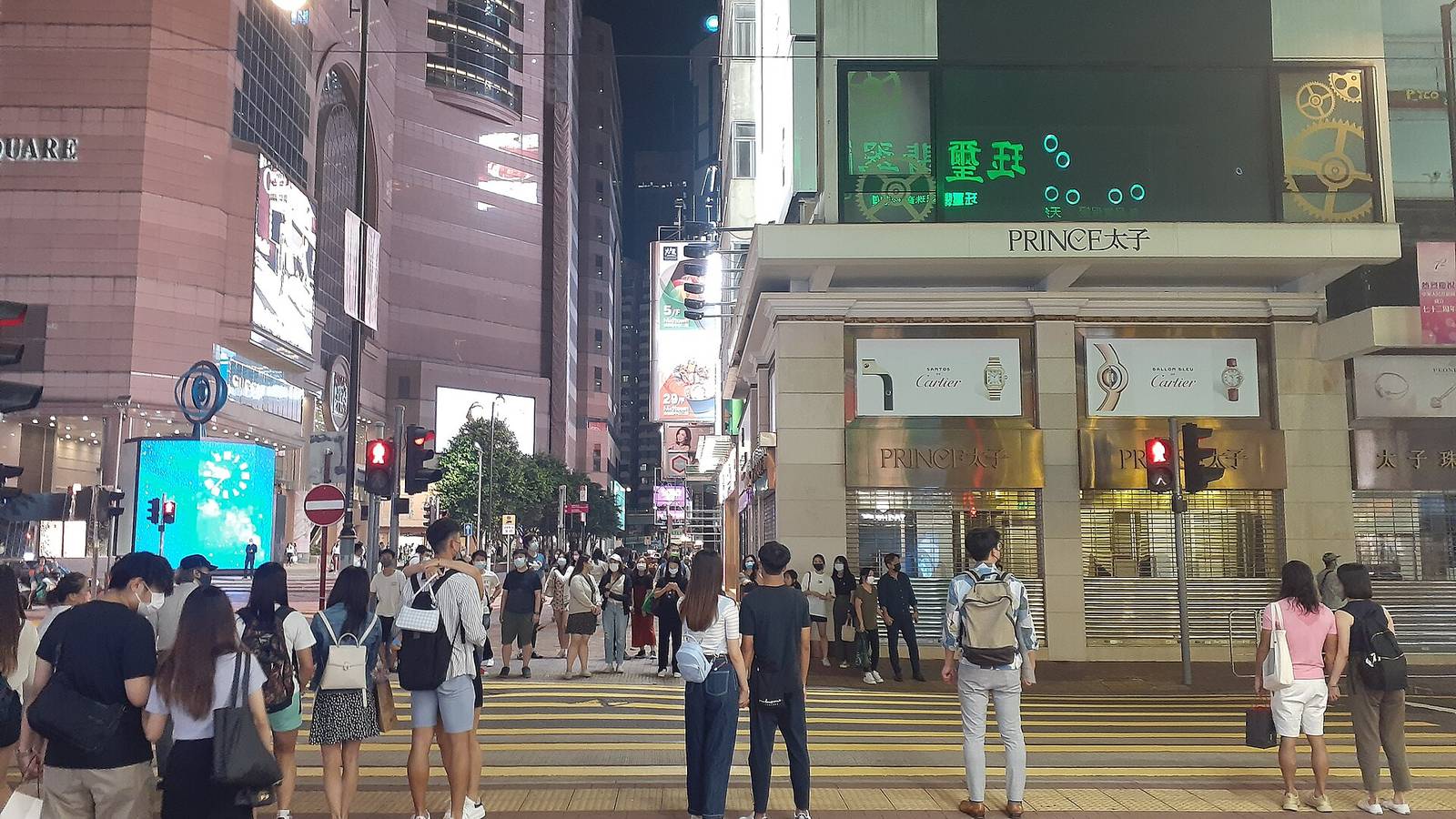
《黃金時代》係陳奕迅 1998 年 5 月大碟《我的快樂時代》第四首歌,林夕填詞,柳重言作曲兼編曲,王紀華監製。嗰張碟幫 Eason 攞咗第一個叱咤至尊唱片大獎。首歌唔係主打,但好多歌迷話佢係嗰張碟嘅心水。歌名藏喺一句歌詞入面:「黃金廣場內分手 在時代門外再聚」,「黃金」加「時代」,似係兩個商場,亦係一個城市最好嗰幾年。
一個兩個三個
一般解析話:呢首係懷念後生,懷念一個自由、隨性、乜都可以嘅年代。
講得啱,但聽清楚嗰個年代係點:
「買了球鞋再買玩具 甚至想 花光一切買新居」
「愛上談情再愛上入睡 直到想 躺進陌生者的家裡」
「你與我湊巧經過 就像在咖啡座 一個兩個三個 太悶或是太多」
買嘢同愛人,用同一種節奏寫:買完再買,愛完再愛。人好似咖啡座經過嘅客,一個兩個三個,唔係太悶,就係太多。「你我永遠不肯定愛不愛誰 約不約定誰」。
然後副歌突然轉:
「你回來你不回來 儘管天塌下來 但仍然值得與你 用餘下時間談論愛」
成首歌都係選擇太多,呢句係唯一一個停低嘅位。
揀得太多,愛會唔會變成購物?
唔使首歌都問得出:當我哋乜都可以揀、隨時可以換,愛仲可唔可以係長久嘅嘢?定係愛都變咗一樣可以退貨嘅貨品?
鮑曼:液態之愛
波蘭裔社會學家、哲學家鮑曼(Zygmunt Bauman)2003 年寫咗本《液態之愛》(Liquid Love)。佢話現代社會好似液體:乜都流動,乜都唔固定。人際關係都一樣,我哋唔再講「關係」,講「連結」:可以好快連上,亦可以好快斷開,好似撳一個掣。
佢話我哋用消費者嘅方式去愛:揀、試、唔啱就換。問題係,咁樣好安全,但亦好空:你永遠唔使承擔,亦永遠唔會被承擔。
將佢擺返入首歌,「一個兩個三個 太悶或是太多」就係液態之愛。「黃金廣場內分手 在時代門外再聚」,分手同再聚,好似行兩個商場咁輕。
1998,天真係塌咗
返轉頭睇年份,就更加有意思。1998 年 5 月首歌出嘅時候,亞洲金融風暴正打緊香港:股市跌,樓價跌,好多人變咗負資產。「花光一切買新居」嗰班人,好多就係嗰年蝕到入肉。
阿芬而家五十歲,1998 年佢二十二歲,同男朋友周末去銅鑼灣行街,買波鞋,睇戲。佢老豆嗰年因為樓價跌咗一半,要賣樓。
佢記得有一晚,佢同男朋友坐喺時代廣場門口,冇錢入去食嘢,就坐喺度講咗成晚。講屋企、講將來、講乜嘢叫鍾意一個人。
佢哋最後冇結婚。但阿芬到今日都記得嗰晚,比起之前所有行街買嘢嘅日子都清楚。
再聽「談論愛」
返轉頭聽,副歌最特別嘅係「談論愛」三個字。佢唔係話「愛」,係「談論愛」。喺一個乜都可以即刻得到嘅年代,最奢侈嘅反而係慢慢講:坐低,唔買嘢,淨係傾。
呢個就係首歌比懷舊更深嘅地方:黃金時代嘅黃金,唔係嗰啲波鞋同新居,係天塌嘅時候,仲有一個人肯同你坐低講。
鮑曼喺度都有頂唔順嘅位。佢對液態社會好悲觀,覺得消費邏輯會蛀晒人與人嘅連繫。但首歌冇咁悲:佢承認「一個兩個三個」,但都仍然揀咗「你」。而且「談論愛」都可以只係講,唔係做。首歌冇答,佢哋傾完之後有冇留低。
我最鍾意嗰句
我最鍾意係「吻你眉頭吻至寂寞 直到想 擁吻漫畫中的主角」。吻到寂寞,即係吻得太多、太易,吻到冇感覺,於是想去吻一個唔存在嘅人。我覺得呢句好林夕,亦好 1998:乜都得到,所以乜都唔夠,最後想要嘅係漫畫入面嗰個完美、唔會令你失望嘅人。呢句放喺今日,換做手機屏幕入面嘅人,一樣成立。我覺得最可怕嘅唔係吻得多,係吻到「寂寞」,即係越親近,越覺得自己一個。
我有兩個問題答唔到。你嘅黃金時代,係乜都有嗰幾年,定係冇乜嘢、但有人同你傾偈嗰幾年?同埋,「你回來你不回來」,最後佢有冇回來?
English
The song
《黃金時代》 (Golden Age) is the fourth track on 《我的快樂時代》, the album 陳奕迅 (Eason Chan) released in May 1998, which won him his first 叱咤樂壇 Album of the Year award. The lyric is by 林夕 (Albert Leung), and the music and arrangement are by 柳重言, with production by 王紀華. It was not a single, but many fans count it among the album’s best. The title is hidden in a single line, which seems to name two shopping malls: 「黃金廣場內分手 在時代門外再聚」, “we part inside the Golden plaza, and meet again outside the Times.” Golden plus Times: two places, and a city’s best years.
One, two, three
The usual reading is that the song is nostalgia for youth: a free, careless time when anything seemed possible.
That is fair, but listen to what that time was like:
「買了球鞋再買玩具 甚至想 花光一切買新居」
“Buy sneakers, then buy toys, even want to spend everything on a new flat.”
「愛上談情再愛上入睡 直到想 躺進陌生者的家裡」
“Fall for romance, then fall for sleep, until you want to lie down in a stranger’s home.”
「你與我湊巧經過 就像在咖啡座 一個兩個三個 太悶或是太多」
“You and I happen to pass, as if at a café; one, two, three, too dull or too many.”
Shopping and loving are written in the same rhythm: buy and buy again, love and love again. People pass like customers at a café, one, two, three, either boring or too many. 「你我永遠不肯定愛不愛誰 約不約定誰」, “we are never sure whether we love anyone, whether to make a date with anyone.”
Then the chorus turns:
「你回來你不回來 儘管天塌下來 但仍然值得與你 用餘下時間談論愛」
“Whether you come back or not, even if the sky falls, it is still worth spending the time that remains with you, talking about love.”
In a song made of endless choice, this is the only place where anything stops.
When everything can be chosen, does love become shopping?
The question does not need the song. When everything can be chosen and anything replaced, can love still be something that lasts? Or has love become one more product with a return policy?
Bauman: liquid love
Zygmunt Bauman, the Polish-born sociologist and philosopher, made this the subject of Liquid Love (2003). Modern life, he argued, has become liquid: nothing holds its shape for long. Human bonds follow suit. We speak less of relationships and more of connections, which can be made quickly and broken just as quickly, at the press of a button.
We love, Bauman suggested, as consumers. We browse, try, and exchange what does not suit. The appeal is safety: a connection never traps us. The cost is emptiness: we are never committed, and no one is ever committed to us. A relationship that can always be cancelled never quite begins.
Bauman had a phrase for the commitments of liquid life: they are made “until further notice.” Nothing is promised for ever, only until something better or easier arrives, and both parties know it. He thought this produced a peculiar anxiety. The freedom to leave is also the freedom to be left, and a person who keeps every option open also lives with the knowledge that he is, for someone else, merely one option among several. The consumer of love is also, always, a product on someone else’s shelf.
Read the song with Bauman in mind and 「一個兩個三個 太悶或是太多」 is liquid love in five words. 「黃金廣場內分手 在時代門外再聚」: parting and reuniting are as light as walking between two malls.
1998, when the sky did fall
The year matters. When the song came out in May 1998, the Asian financial crisis was battering the region. Stock markets crashed; property prices in Hong Kong fell sharply; in Malaysia the ringgit collapsed and was pegged that September. The generation that wanted to 「花光一切買新居」, to spend everything on a new flat, was the one that lost the most.
In Kuala Lumpur, Mei Ling is fifty now. In 1998 she was twenty-two, and on weekends she and her boyfriend would wander Sungei Wang and Bukit Bintang, buying sneakers they could not quite afford. That year her father’s business failed and the family sold their house in Petaling Jaya.
She remembers one night when she and her boyfriend had no money left for dinner, so they sat on the steps outside the mall and talked until midnight: about her father, about the future, about what it meant to love someone.
They did not marry. But of all the nights of shopping that year, that is the one she remembers clearly.
Hearing the hinge again
Listen again, and the chorus turns on two words: 「談論愛」, to talk about love. Not “to love,” but to talk about it. In an age where everything can be had at once, the real luxury is slowness: to sit down, buy nothing, and talk.
There is also a bracketed line in the chorus, sung almost as an aside: 「沒錯過甚麼再分開」, “part after missing nothing.” It sounds like a promise of completeness: we will do everything, see everything, and then go our ways. It is the consumer’s dream of a relationship, experienced in full and then concluded without regret. Set beside 「用餘下時間談論愛」, it shows the two moods of the song side by side, the shopper who wants to miss nothing, and the lover who wants only to sit and talk.
That is what the first reading missed. The gold of the golden age was never the sneakers or the flats. It was having someone who would sit with you and talk while the sky was falling.
Bauman’s idea reaches its limit here. He was deeply pessimistic about liquid modernity, convinced that consumer habits would corrode human bonds. The song is gentler. It admits the one, two, three, and still chooses “you.” Yet it does not resolve the matter either. To talk about love is not the same as to stay, and the song does not say whether they stayed after the talking ended.
The line I keep
The line I love is 「吻你眉頭吻至寂寞 直到想 擁吻漫畫中的主角」, “kissing your brow until the kissing grows lonely, until I want to kiss the hero of a comic book.” To kiss until it becomes lonely is to kiss too much and too easily, until it means nothing, and then to long for someone who does not exist. I find it very 林夕, and very 1998: having everything, so that nothing is enough, and wanting at last the flawless figure from a comic who can never disappoint. Replace the comic with a phone screen and the line still holds.
Two questions stay with me. Was your golden age the years when you had everything, or the years when you had little but someone to talk to? And did the one in the chorus, in the end, come back?
FAQ
- What is the meaning of 黃金時代?
- 《黃金時代》 portrays a life of easy plenty: buying sneakers, then toys, then a flat; falling for romance, then for sleep; never sure whom one loves, meeting and parting as casually as passing a café. Against that ease, the chorus insists that even if the sky falls, it is still worth spending the remaining time with you, talking about love.
- Who wrote 黃金時代?
- The lyric is by 林夕 (Albert Leung), and the music and arrangement by 柳重言, with production by 王紀華. 陳奕迅 (Eason Chan) released it in May 1998 as the fourth track on 《我的快樂時代》, the album that won him his first 叱咤樂壇 Album of the Year award.
- What does 儘管天塌下來 但仍然值得與你用餘下時間談論愛 mean?
- “Even if the sky falls, it is still worth spending the time that remains with you, talking about love.” In 1998, as Hong Kong’s boom collapsed in the Asian financial crisis, the line sounded almost literal. It is a refusal of the age’s casual ease: in a time of endless choice, he chooses to stay and talk.
資料
《黃金時代》 · 主唱 陳奕迅 (Eason Chan) · 填詞 林夕 (Albert Leung) · 1998 ·聽歌 Listen