歲月如歌意思:天氣不似預期,但要走,總要飛
陳奕迅 (Eason Chan) · 填詞 劉卓輝 (Gene Lau) ·
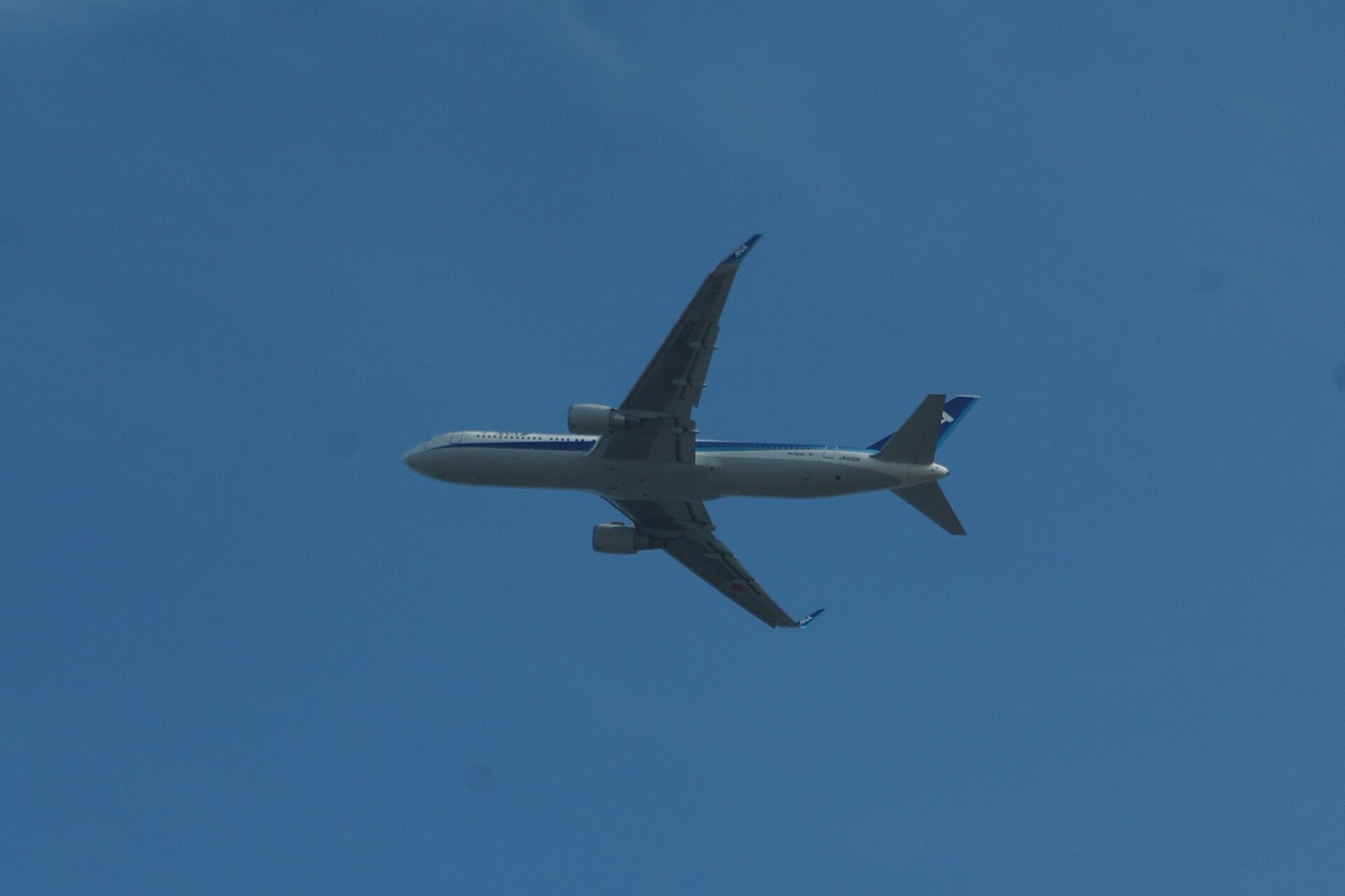

答案《歲月如歌》意思:陳奕迅(Eason Chan)主唱,劉卓輝(Gene Lau)填詞,徐偉賢作曲,TVB《衝上雲霄》主題曲。一般當係追夢歌:「天氣不似預期 但要走 總要飛」。但走嗰個係揀咗理想、放低愛人,仲叫對方「留下共我曾愉快的憶記」。值唔值得走,要飛咗先知。
The meaning of 《歲月如歌》 (Song Like These Years): Eason Chan (陳奕迅) sings Gene Lau’s (劉卓輝) lyric to 徐偉賢’s melody, the theme of TVB’s *Triumph in the Skies*. It is heard as a song of chasing dreams. But the one who flies is leaving a lover for a calling, and asks her to keep the happy memories. Whether it was worth it, he can only know after.
廣東話
首歌
《歲月如歌》係陳奕迅 2003 年 7 月大碟《Live For Today》入面嘅歌,劉卓輝填詞,徐偉賢作曲,劉志遠編曲,係 TVB 劇《衝上雲霄》嘅主題曲。國語版叫《兄妹》,林夕填詞,講另一個故事。套劇講機師同空中服務員,首歌就成為一代香港人嘅「起飛」歌:畢業禮播,離別播,K 房必點。歌詞講一個人要走,要飛,放低一個愛佢嘅人。
走嗰個,同留低嗰個
一般解析話:呢首係追夢歌,講勇氣。最多人引係呢句:
「天氣不似預期 但要走 總要飛」
講得啱,好勵志。但聽清楚,佢唔係一個人起飛,佢係放低一個人起飛。開頭佢已經講:「愛上了 看見你 如何不懂謙卑 去講心中理想」。佢愛嘅人聽過佢嘅理想,然後佢就為咗呢個理想走。
佢點同對方講?
「道別不可再等你 不管有沒有機」
「願你可以 留下共我曾愉快的憶記」
唔等,唔管有冇機會。然後叫對方留住開心嘅回憶。最後:「當世事再沒完美 可遠在歲月如歌中找你」。佢會搵返佢,但係喺回憶入面搵。
所以首歌唔止係勇氣,係一個選擇:揀理想,放低愛。
未知值唔值得,可唔可以走?
唔使首歌都問得出:如果你要為自己嘅路放低一個人,但你唔知條路會唔會成功,咁你走嗰一刻,係啱定錯?
威廉斯:道德運氣
英國哲學家威廉斯(Bernard Williams)寫過一篇好出名嘅文章叫《道德運氣》。佢用畫家高更做例子:高更放低老婆仔女,走去大溪地畫畫。
威廉斯問:高更做得啱唔啱?佢嘅答案好令人唔舒服:要睇結果。如果高更成為偉大畫家,佢嗰個決定就有咗某種理由;如果佢失敗咗,佢就只係一個拋棄家庭嘅人。而最重要嘅係:佢走嗰陣,根本唔可能知道。
即係話,有啲選擇嘅對錯,唔係喺揀嗰刻決定,係由之後嘅運氣決定。
將佢擺返入首歌,「天氣不似預期 但要走 總要飛」就唔止係勇氣。天氣唔似預期,即係前路唔清楚。佢照飛,即係佢接受咗:自己呢個決定啱唔啱,要交俾以後。
東涌,四點半
阿晴二十八歲,喺香港做咗五年文職,今年終於考到中東一間航空公司做空中服務員,要搬去杜拜。
男朋友阿康喺東涌送佢。佢哋喺東薈城食完最後一餐,阿康問:「你會唔會返嚟?」阿晴答:「我唔知。」
阿康冇叫佢留低。佢只係話:「你記住我哋開心嗰啲就得。」
阿晴上咗機場快綫先喊。佢唔知自己揀啱咗未。佢諗:如果三年後佢做咗事務長,今日就係勇敢;如果佢頂唔順,今日就係傻。佢今日乜都唔知,只係要飛。
再聽「歲月如歌中找你」
返轉頭聽,「可遠在歲月如歌中找你」好溫柔,但亦好方便。走嗰個將對方變成一首歌,等自己可以喺遠方懷念,唔使面對。對方留低嘅生活,首歌冇寫。
威廉斯喺度亦都頂唔順。佢個例子係高更:一個天才,一個偉大嘅作品。但大部分人唔係高更,佢哋走,唔係為咗藝術,係為咗一份工、一個機會、一點點自己。結果好少會「偉大」到可以抵消任何嘢。而且,留低嗰個人冇得揀,佢嘅人生都俾呢個運氣決定咗。
但首歌亦有一句,令佢唔係純粹自私:「這天只想帶走 還是你」。佢想帶埋佢走。佢唔係唔愛,係兩樣唔可以同時要。
我最鍾意嗰句
我最鍾意係「情感有若行李 仍然沉重待我整理」。佢要上機,但感情好似一件超重嘅行李,未執好,又唔可以唔帶。我覺得呢句好準:走嘅人唔係冇感覺,係將感覺打包,諗住到咗先慢慢拆。好多人都係咁,揸住一箱未執嘅嘢上機,落機之後,一直都冇開。「待我整理」四個字最誠實:佢冇話已經執好,佢承認仲未。走得瀟灑嘅人,好多其實都係咁。
我有兩個問題答唔到。你有冇為咗自己嘅路,放低過一個人,而到今日仲唔知值唔值得?同埋,留低嗰個人,有冇人寫一首歌俾佢?
English
The song
《歲月如歌》 (Song Like These Years) appears on 《Live For Today》, the album 陳奕迅 (Eason Chan) released in July 2003, as the theme song of the TVB drama 《衝上雲霄》 (Triumph in the Skies). The lyric is by 劉卓輝 (Gene Lau), the music by 徐偉賢 and the arrangement by 劉志遠; the Mandarin version, 《兄妹》, has a different lyric by 林夕. The drama followed pilots and cabin crew, and the song became a generation’s anthem of departure, sung at graduations and farewells and requested at every karaoke night. It is sung by someone who must leave, who must fly, and who leaves behind a person who loves him.
The one who leaves, and the one who stays
The usual reading treats it as a song about chasing dreams and finding courage. Its most quoted line is:
「天氣不似預期 但要走 總要飛」
“The weather is not what we expected, but if I must go, I must fly.”
That reading is right, and inspiring. But listen closely: he is not taking off alone. He is taking off from someone. The opening already says so: 「愛上了 看見你 如何不懂謙卑 去講心中理想」, “I fell for you on sight, and could not be humble; I told you the dream in my heart.” The person he loves has heard his dream, and now he is leaving for it.
How does he tell her?
「道別不可再等你 不管有沒有機」
“I cannot wait for you any longer to say goodbye, whether or not there is a chance.”
「願你可以 留下共我曾愉快的憶記」
“I hope you can keep the happy memories we had.”
He will not wait; he will not weigh the odds. He asks her to keep the good memories. And finally: 「當世事再沒完美 可遠在歲月如歌中找你」, “when the world is no longer perfect, I can find you far away, in the song of the passing years.” He will find her again, but in memory.
So the song is not only about courage. It records a choice: the calling over the beloved.
Can you leave before you know it was worth it?
The question does not need the song. If you leave someone to follow your own path, and you cannot know whether the path will succeed, was the decision right or wrong at the moment you made it?
Williams and moral luck
Bernard Williams addressed exactly this in his essay “Moral Luck” (1976). His example is a version of the painter Gauguin, who leaves his wife and children to paint in Tahiti.
Was Gauguin right? Williams’s answer is uncomfortable: it depends on how things turn out. If Gauguin becomes a great painter, his decision acquires a kind of justification, at least in his own eyes. If he fails, he is simply a man who abandoned his family. And the crucial point is that at the moment of leaving he could not have known which it would be. The justification, if there is one, arrives only afterwards.
Williams adds a detail that matters for this song. The only thing that can justify Gauguin, if anything does, is success in the very project he left for. Not success in general, not happiness, not a good life elsewhere. If Gauguin is injured on the voyage and never paints, his decision is not shown to be wrong; it is simply never vindicated. The justification is narrow, and it is hostage to the one thing he went to do.
Williams called this moral luck: the uncomfortable fact that the rightness of some choices is not settled when we make them, but by what happens later, much of which is beyond our control. We would like to think that a decision is right or wrong in itself. Some decisions are only right or wrong in retrospect.
Read the hinge with Williams in mind and 「天氣不似預期 但要走 總要飛」 is more than bravery. The weather is not as expected: the road ahead is unclear. He flies anyway, accepting that whether this decision was right will be decided by a future he cannot see.
The Causeway
In Malaysia, Arif is twenty-seven when he takes a job at a logistics firm in Singapore. His girlfriend, Nadia, is a teacher in Kuala Lumpur and has no wish to move. They talk it over for months and arrive nowhere.
On his last night they eat at a mamak in Bangsar until two in the morning. She asks whether he will come back. He says he does not know. She does not ask him to stay. She only says, “Remember the good parts.”
He drives down the next day and crosses the Causeway in the late afternoon, in the slow queue of cars at Woodlands. He thinks: if in three years I am running a team, this was courage. If I am back in KL with nothing, this was foolishness. Today he knows neither. Today he only has to cross.
Hearing the hinge again
Listen again and 「可遠在歲月如歌中找你」 sounds both tender and convenient. The one who leaves turns the one he leaves into a song, so that he can cherish her from a distance without having to face her. Her life after the parting, the one that goes on in the city he left, is nowhere in the lyric.
That is what the return can say and the first reading could not: the song’s courage has a cost, and the cost is borne by someone who does not get a verse.
Williams’s idea also reaches its limit here. His example is Gauguin: a genius, a body of great work. Most people who leave are not Gauguin. They go not for art but for a job, an opening, a little more of themselves, and the outcome is rarely grand enough to outweigh anything. And the person left behind had no say in the gamble, yet her life, too, is decided by its luck.
Still, one line keeps the song from being merely selfish: 「這天只想帶走 還是你」, “today, what I want to take with me is still you.” He would take her if he could. He does not love her less. He simply cannot have both.
The line I keep
The line I love is 「情感有若行李 仍然沉重待我整理」, “feelings are like luggage, still heavy, waiting for me to sort them.” He is about to board, and his feelings are an overweight case he has not packed properly and cannot leave behind. I find it very exact. The one who leaves is not without feeling; he has packed it, meaning to unpack slowly on arrival. Many people board like that, with a box they mean to sort later, and never open it. The phrase 待我整理, “waiting for me to sort,” is the most honest in the song. He does not claim to have sorted anything. He admits he has not.
Two questions stay with me. Have you ever left someone for your own path, and still do not know whether it was worth it? And has anyone written a song for the one who stayed?
FAQ
- What is the meaning of 歲月如歌?
- 《歲月如歌》 is sung by someone leaving a person he loves to pursue his own path, as a pilot leaves on a flight whatever the weather. He cannot wait any longer, asks her to keep their happy memories, and promises to find her again in the song of the passing years. It is a farewell dressed as a dream song.
- Who wrote 歲月如歌?
- The lyric is by 劉卓輝 (Gene Lau), the music by 徐偉賢, and the arrangement by 劉志遠. 陳奕迅 (Eason Chan) released it in July 2003 on 《Live For Today》 as the theme song of the TVB drama 《衝上雲霄》 (Triumph in the Skies). Its Mandarin version, 《兄妹》, has a different lyric by 林夕.
- What does 天氣不似預期 但要走 總要飛 mean?
- “The weather is not what we expected, but if I must go, I must fly.” It is quoted as courage in uncertainty. In the song it is also a decision to leave someone before knowing whether leaving will prove right. Whether the flight was justified depends on how it turns out, which no one can know at take-off.
資料
《歲月如歌》 · 主唱 陳奕迅 (Eason Chan) · 填詞 劉卓輝 (Gene Lau) · 2003 ·聽歌 Listen
來源 Sources
更新 : Added a free-licensed banner photo with credits.