幸福摩天輪意思:心驚與膽戰,去建立這親厚關係
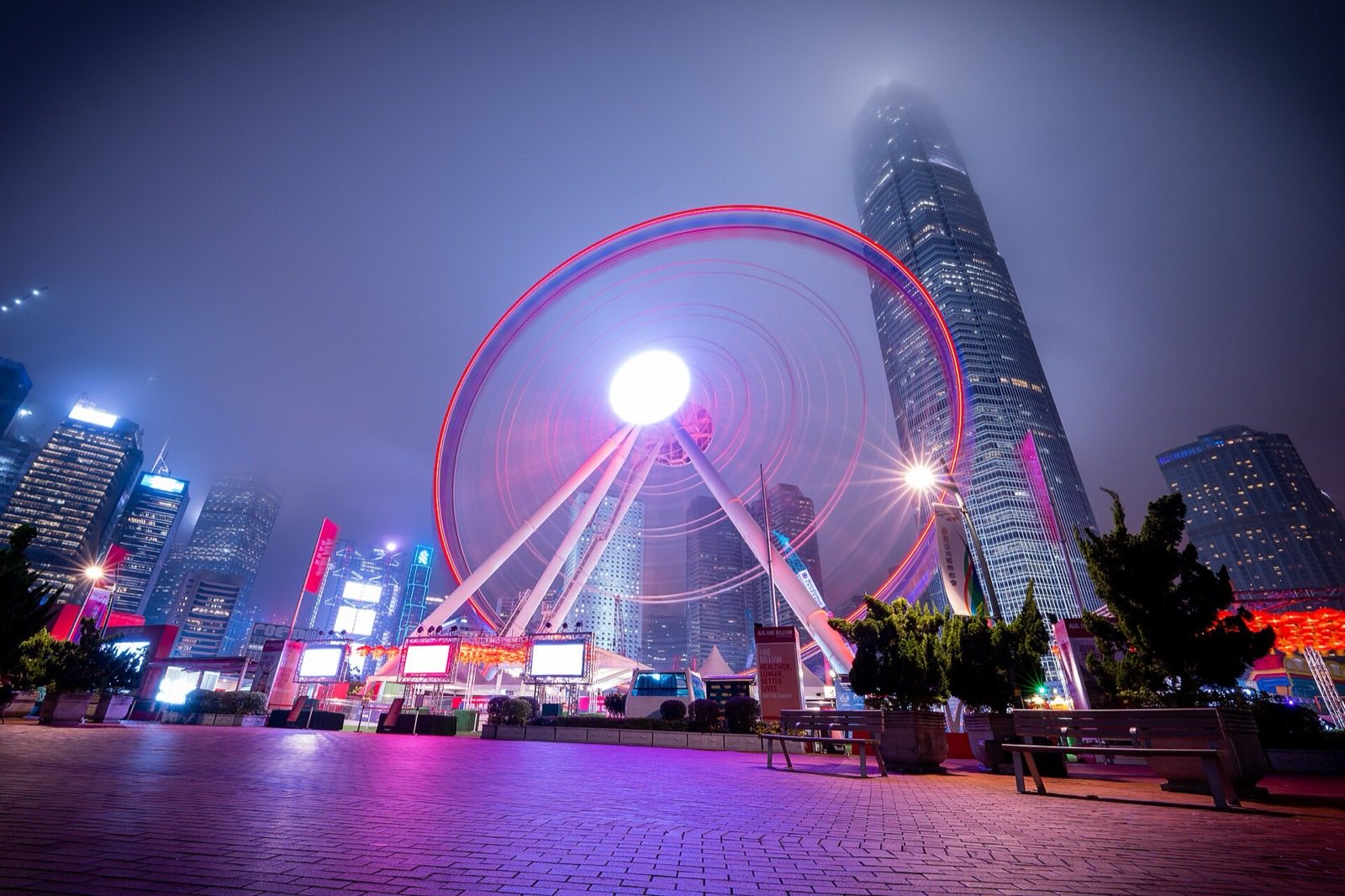

答案《幸福摩天輪》意思:陳奕迅(Eason Chan)主唱,林夕(Albert Leung)填詞,Eric Kwok 作曲,1999 年。一般當係甜蜜情歌,講兩個人喺最高處好幸福。但摩天輪轉一圈就返返原地,首歌嘅幸福唔喺頂點,喺「心驚與膽戰去建立這親厚關係」:一齊轉、一齊驚嘅過程。
The meaning of 《幸福摩天輪》 (Ferris Wheel of Happiness): Eason Chan (陳奕迅) sings Albert Leung’s (林夕) lyric to Eric Kwok’s melody, from 1999. It is heard as a sweet love song about happiness at the top. But a Ferris wheel only brings you back where you began. The song finds happiness in the turning itself: 「心驚與膽戰去建立這親厚關係」, intimacy built from shared fear.
廣東話
首歌
《幸福摩天輪》係陳奕迅 1999 年 11 月 EP《幸福》嘅主打,林夕填詞,Eric Kwok 作曲,劉祖德編曲。嗰年佢攞咗叱咤專業推介、勁歌金曲十大,係 Eason 早期最重要嘅幾首歌之一。首歌將一段感情比喻成坐摩天輪:一時高一時低,畏高、驚跌,但同你一齊就唔怕。寫嗰陣中環仲未有摩天輪,到今日佢已經變咗 K 房嘅甜歌代表。
摩天輪會返返原地
一般解析話:呢首係甜蜜情歌,講兩個人一齊去到最高處,好幸福:「幸福處隨時吻到星空」。
講得啱,但摩天輪有樣嘢好特別:佢唔會帶你去任何地方。轉完一圈,你喺邊度上,就喺邊度落。首歌知道,所以佢唔係淨係寫頂點:
「天荒地老流連在摩天輪」
「失落之處仍然會笑著哭」
「驚險的程度叫畏高者昏迷」
佢寫嘅係成個圈:高、低、驚、跌。最重要係最後一段:
「東歪西倒 忽高忽低 心驚與膽戰去建立這親厚關係」
親密唔係喺最高點得到,係喺驚嘅時候建立。首歌嘅幸福,唔係目的地,係過程。
一件冇終點嘅事,點樣幸福?
唔使首歌都問得出:如果一段關係,或者一個人生,最後都係返返原地,冇乜「去到」,咁我哋仲可唔可以話佢幸福?
卡繆:要想像薛西弗斯係快樂嘅
法國作家卡繆(Albert Camus)1942 年寫咗《薛西弗斯的神話》。希臘神話入面,薛西弗斯俾神罰佢推一塊大石上山,一到山頂,石頭就碌返落嚟,佢要再推,永遠都係咁。
呢個係最荒謬嘅刑罰:做極都冇結果。但卡繆最後一句好出名:「向山頂嘅掙扎本身,已經足以填滿一個人嘅心。我哋要想像薛西弗斯係快樂嘅。」
佢嘅意思係:幸福唔係因為去到邊,係因為你清醒咁接受咗冇終點,然後繼續推。
將佢擺返入首歌,摩天輪就係薛西弗斯塊石:轉上去,轉落嚟,再轉上去。「天荒地老流連在摩天輪」就係卡繆講嘅接受:知道佢冇終點,仍然留喺上面。
但首歌有一樣嘢卡繆冇:一個「你」。薛西弗斯係一個人推。首歌係兩個人一齊驚。有個心理學實驗講過,人喺搖搖晃晃嘅吊橋上,心跳快咗,好容易將驚嚇當成心動。「心驚與膽戰去建立這親厚關係」,林夕早就知道。
中環摩天輪
阿敏同阿華結婚十五年,結婚紀念日去咗中環摩天輪。阿敏畏高,上到一半已經揸實阿華隻手。
去到最高嗰陣,維港好靚。阿華諗起十五年:劏房、阿仔出世、佢失業嗰年、外母入院。冇一年係平坦,冇一年係「去到」咩地方。佢哋而家住返阿敏屋企附近,同十五年前差唔多。
但阿敏揸住佢隻手,揸得好實。最高點得幾十秒,就開始落。阿敏話:「好彩落返嚟喇。」阿華笑:「但都幾好睇。」
佢哋落車之後,冇講咩特別嘅嘢,行返去中環站。阿華覺得,呢個就係佢哋十五年嘅樣。
再聽「陪我搖曳」
返轉頭聽,首歌最後一句係「沿途就算意外脫軌 多得你 陪我搖曳」。佢冇話一定唔會脫軌,佢話就算脫軌,都有你陪住搖。呢個係首歌比「甜蜜」更深嘅地方:佢接受咗驚,接受咗跌,甚至接受咗出事,只要有人陪。
卡繆喺度都有頂唔順嘅位。佢嘅薛西弗斯係孤獨嘅英雄,佢嘅快樂係清醒同反抗,唔靠任何人。首歌嘅幸福,全靠「你」。如果有一日個「你」落咗車,首歌冇答,摩天輪仲轉唔轉得落去。而吊橋實驗都提醒我哋:驚嚇帶嚟嘅親密,可能只係心跳,未必係愛。
我最鍾意嗰句
我最鍾意係「失落之處仍然會笑著哭」。唔係「喊」,係「笑著哭」:兩樣同時發生。我覺得呢句好林夕,佢唔肯將快樂同悲傷分開,好似摩天輪一樣,上同落係同一個圈。好多長久嘅關係都係咁:最失落嗰陣,兩個人會一齊笑,笑到喊。呢句寫喺一首好甜嘅歌入面,好似偷偷放咗粒鹽。我後來先發覺,成首歌最真嘅嘢,都藏喺呢種位:唔係喊,係笑住喊。
我有兩個問題答唔到。你身邊有冇一個人,係同你一齊驚過,所以先咁親?同埋,如果摩天輪永遠唔停,我哋會唔會有一日唔再驚,亦唔再揸實隻手?
English
The song
《幸福摩天輪》 (Ferris Wheel of Happiness) was the lead song of 《幸福》, the EP 陳奕迅 (Eason Chan) released in November 1999. The lyric is by 林夕 (Albert Leung), the music by Eric Kwok and the arrangement by 劉祖德. That year it won a 叱咤樂壇 professional pick and a place among TVB’s Jade Solid Gold top ten, and it remains one of the defining songs of his early career. It compares a relationship to riding a Ferris wheel: up and down, afraid of heights, afraid of falling, but unafraid together. When it was written, Central had no Ferris wheel; today it is a karaoke standard for couples.
The wheel returns to where it began
The usual reading treats it as a sweet love song about reaching the top together: 「幸福處隨時吻到星空」, “at the happiest point we can kiss the stars at any moment.”
That is right, but a Ferris wheel has a peculiar property. It does not take you anywhere. After one turn you get off exactly where you got on. The song knows this, and it does not write only about the summit:
「天荒地老流連在摩天輪」
“Until the heavens grow old and the earth wears away, we linger on the Ferris wheel.”
「失落之處仍然會笑著哭」
“At the low points we still laugh as we cry.”
「驚險的程度叫畏高者昏迷」
“So thrilling it would make anyone afraid of heights faint.”
It writes the whole circle: up, down, fear, falling. And the final verse says the most important thing:
「東歪西倒 忽高忽低 心驚與膽戰去建立這親厚關係」
“Lurching this way and that, suddenly high and suddenly low, we build this close bond with a pounding heart and trembling nerves.”
Intimacy is not found at the top. It is built in the moments of fear. The song’s happiness is not a destination. It is the ride.
How can something with no destination be happy?
The question does not need the song. If a relationship, or a life, ends up where it began, having arrived nowhere in particular, can we still call it happy?
Camus: one must imagine Sisyphus happy
Albert Camus answered this question in The Myth of Sisyphus (1942). In the Greek myth, Sisyphus is condemned by the gods to push a boulder up a mountain; whenever he reaches the top, it rolls back down, and he must begin again, for ever.
It is the most absurd of punishments: endless effort with no result. Camus ends the essay with two famous sentences. The struggle itself towards the heights is enough to fill a human heart. One must imagine Sisyphus happy.
His point is not that the task secretly has a goal. It is that happiness can be found in lucidly accepting that it has none, and pushing anyway. The meaning is not waiting at the summit. It is in the climbing. Camus is careful to say that this happiness is not resignation. Sisyphus is superior to his fate because he knows it fully and refuses to be crushed by it. He descends the mountain to fetch the stone again, and Camus imagines him walking down with a kind of calm, even joy, because the descent too belongs to him.
Read the song with Camus in mind and the Ferris wheel is Sisyphus’s boulder: up, down, up again. 「天荒地老流連在摩天輪」 is Camus’s acceptance: knowing the wheel goes nowhere and choosing to stay on it.
But the song has something Camus’s hero lacks: a “you.” Sisyphus pushes alone. The song’s riders are afraid together. And here a well-known experiment presses on the lyric. In 1974, the psychologists Donald Dutton and Arthur Aron found that men crossing a high, swaying suspension bridge in British Columbia were more likely to be attracted to a woman they met there than men on a low, steady one: the racing heart of fear was read as the racing heart of attraction. 「心驚與膽戰去建立這親厚關係」 says the same thing, with more tenderness. Fear shared becomes closeness.
The Singapore Flyer
In Singapore, Grace and Marcus have been married for nine years. For five of them they tried to have a child: three rounds of IVF, two miscarriages, a calendar of appointments at KK Hospital, and a long silence after each. They have stopped trying now.
On their anniversary, on an impulse, they buy tickets for the Singapore Flyer. Grace is afraid of heights. Halfway up she grips Marcus’s arm.
At the top, the city is lit below them, Marina Bay, the shipping lanes, the dark sea. Marcus thinks of the five years: hope, results, hope again, the same waiting room, round and round, arriving nowhere. They live in the same flat in Sengkang, with the same spare room.
Grace does not let go of his arm. The top lasts less than a minute, and then the capsule begins to descend. “Thank God,” she says, “we’re going down.” He laughs. “It was nice up there, though.”
They take the MRT home and do not talk about anything in particular. Marcus thinks that this, more or less, is what the nine years have been. Not a climb towards something, but a circle they kept riding, and the arm she held on the way up.
Hearing the hinge again
Listen again to the last line: 「沿途就算意外脫軌 多得你 陪我搖曳」, “even if we come off the track along the way, thank you for swaying with me.” He does not promise that they will never derail. He says that if they do, someone will be swaying beside him. That is what lies deeper than the song’s sweetness: it accepts fear, falling, even accident, so long as there is company.
That is what the return can say that the first reading could not. The song is not about the view from the top. It is about who is holding your arm on the way round.
Camus’s idea reaches its limit here. His Sisyphus is a solitary hero; his happiness is lucidity and revolt, owed to no one. The song’s happiness depends entirely on the other person. If one day the “you” steps off, the song does not say whether the wheel could still be borne. And the bridge experiment adds a sobering note: closeness born of fear may be only adrenaline, misread. Not every racing heart is love.
The line I keep
The line I love is 「失落之處仍然會笑著哭」, “at the low points we still laugh as we cry.” Not weeping, but laughing while crying, both at once. I think it is very like 林夕: he will not separate joy from sorrow, just as a Ferris wheel will not separate rising from falling; they are the same circle. Many long relationships are like that. At the lowest moments two people laugh together until they cry. Set inside such a sweet song, the line is like a grain of salt slipped into the sugar.
Two questions stay with me. Is there someone in your life you are close to because you were once afraid together? And if the wheel never stopped, would we eventually stop being afraid, and stop holding on?
FAQ
- What is the meaning of 幸福摩天輪?
- 《幸福摩天輪》 compares a relationship to riding a Ferris wheel: chasing, rising, falling, afraid of heights, and holding on together. At the top you can almost kiss the stars; at the bottom you laugh through tears. The song suggests that happiness is not the highest point but the whole ride, taken together, going nowhere.
- Who wrote 幸福摩天輪?
- The lyric is by 林夕 (Albert Leung) and the music by Eric Kwok, with arrangement by 劉祖德. 陳奕迅 (Eason Chan) released it in November 1999 on the EP 《幸福》. It won 1999 awards including a 叱咤樂壇 professional pick and a place among the year’s TVB Jade Solid Gold top ten.
- What does 心驚與膽戰去建立這親厚關係 mean?
- “With a pounding heart and trembling nerves, we build this close bond.” It is usually heard as romantic. It also makes a claim: closeness is built not despite fear but through it. Sharing the lurch and the drop is what binds the two riders, which is why the ride matters more than the view from the top.
資料
《幸福摩天輪》 · 主唱 陳奕迅 (Eason Chan) · 填詞 林夕 (Albert Leung) · 1999 ·聽歌 Listen