季候風意思:你似季候風 抵擋計劃全也無用

答案《季候風》意思:王菲(Faye Wong,當年叫王靖雯)1993 年歌,潘源良(Poon Yuen-leung)填詞,陳小霞作曲,2026 年俾 The Weeknd〈Hong Kong〉取樣。一般當係講一個擋唔住嘅情人。但季候風係唯一估得到嘅風:佢知佢會返嚟,仲有「抵擋計劃」,都係冇用。問題唔係唔知,係知道都冇用。
The meaning of 《季候風》 (Monsoon): Faye Wong (王菲), then credited as 王靖雯, sings 潘源良’s (Poon Yuen-leung) lyric to 陳小霞’s melody, from 1993; The Weeknd sampled it in 2026 for “Hong Kong.” It is heard as a song about an irresistible lover. But a monsoon is the one wind you can forecast. She knows he will return, has a plan to resist, and it fails. The problem is not ignorance but knowing.
廣東話
首歌
《季候風》係王菲 1993 年 2 月專輯《執迷不悔》入面嘅歌,嗰陣佢仲叫王靖雯。潘源良填詞,Richard Yuen 編曲;旋律來自陳小霞同楊立德寫嘅國語歌《有一天我會》,原唱係張瓊瑤。呢首係王菲早期代表作之一。2026 年 10 月,The Weeknd 喺啟德主場館開騷,首唱新歌〈Hong Kong〉,用咗王菲原裝把聲做取樣,十月尾喺香港推出。潘源良亦係陳奕迅《無條件》嘅填詞人。
唯一估得到嘅風
一般解析話:呢首講一個擋唔住嘅情人,佢一嚟,你乜嘢決心都冇晒。
講得啱。但諗吓個比喻:
「你似季候風 抵擋計劃全也無用 然後是場空 加上不死的心痛」
季候風唔係颱風,唔係突如其來。佢每年同一個季節返嚟,估得到,記得低。佢唔係唔知佢會嚟,佢仲有「抵擋計劃」。首歌嘅痛唔係俾人突襲,係睇住佢嚟、準備好、都係擋唔住。
再聽兩次副歌點變:「那次季候風 吹得那樣空 彷彿世上一切 也將消失所蹤」,到第二次變咗「這次季候風 吹得格外兇 彷彿世上一切 已經消失所蹤」。「那次」變「這次」,「也將」變「已經」。有過經驗,第二次理應擋得好啲,結果更兇。
知道點解唔夠?
唔使首歌都問得出:如果你清楚知道一樣嘢對自己唔好,點解仲會照做?
蘇格拉底:冇人會明知故犯
古希臘哲學家柏拉圖喺《普羅塔哥拉篇》(Protagoras)寫過一場辯論。蘇格拉底講咗一句好多人唔服嘅說話:冇人會明知係差嘅都去揀。所謂「意志軟弱」,其實係唔知,係計錯數。
佢點解釋計錯數?佢話,近嘅嘢睇落大,遠嘅嘢睇落細,好似隔離嘅樓高過遠處座山。快樂同痛苦都係咁:眼前嘅快樂好大,之後嘅痛苦好細。人唔係意志弱,係俾距離呃咗。所以佢開出嘅藥方係「量度嘅技術」:學識將遠近放埋一齊計,計得準,就自然揀得啱。
擺返入首歌,蘇格拉底好似講中咗:「纏綿時要推開 雙手卻無用」,喺佢面前嗰陣,個人就係大過晒一切。「口中聲聲別了 難掩渴望面容」,口講係遠景,塊面係近景。
但首歌亦直接挑戰咗佢。主角唔係冇計過數,佢有過「那次」,知道結局係「場空」,仲訂咗計劃。佢計得好準,都係冇用。
八號風球嘅 WhatsApp
阿詩分手兩年。佢前度阿 Ken 平時唔會搵佢,但每次天文台掛八號風球,佢一定 WhatsApp:「你冇事吖嘛?」
第一年,阿詩覺得好窩心,覆咗,傾到凌晨三點,之後兩個禮拜又失咗聯絡。第二年,佢一早同自己講:今年唔覆。到掛波嗰晚,部手機一響,佢望住個名,諗咗十分鐘,覆咗。
今年七月,佢連個計劃都寫埋落 Notes:「掛八號唔好覆 Ken。」風球一掛,佢睇住條訊息,打開 Notes 睇吓自己寫嘅嘢,然後撳返出去,覆咗。
佢唔係唔知。佢係最知嗰個。
再聽「全也無用」
返轉頭聽「抵擋計劃全也無用」,佢唔係講自己蠢,係講知識嘅限度。蘇格拉底以為計清楚就得,但首歌話:計清楚,仲係會輸。阿詩部 Notes 就係蘇格拉底嘅量度技術,量得好準,都擋唔住條訊息。
而首歌最尾嗰段,風「終於稍作停頓」,但「夜幕下沒有停 祗得我心痛」。風會停,痛唔停。蘇格拉底講揀嗰一刻,首歌講揀完之後:知道得越清楚,事後越痛,因為你冇得話自己唔知。王菲另一首《暗湧》係預先知道結局所以唔敢郁;《季候風》係知道結局,都照郁。
The Weeknd 嘅〈Hong Kong〉
三十三年後,呢陣風真係吹返嚟。The Weeknd 喺啟德唱〈Hong Kong〉,王菲把聲喺副歌入面出現。據 The FADER 形容,佢嘅英文部分講美好時光最終都會變傷感、講習慣咗風向轉變、講喺香港等一個可能返嚟嘅人。
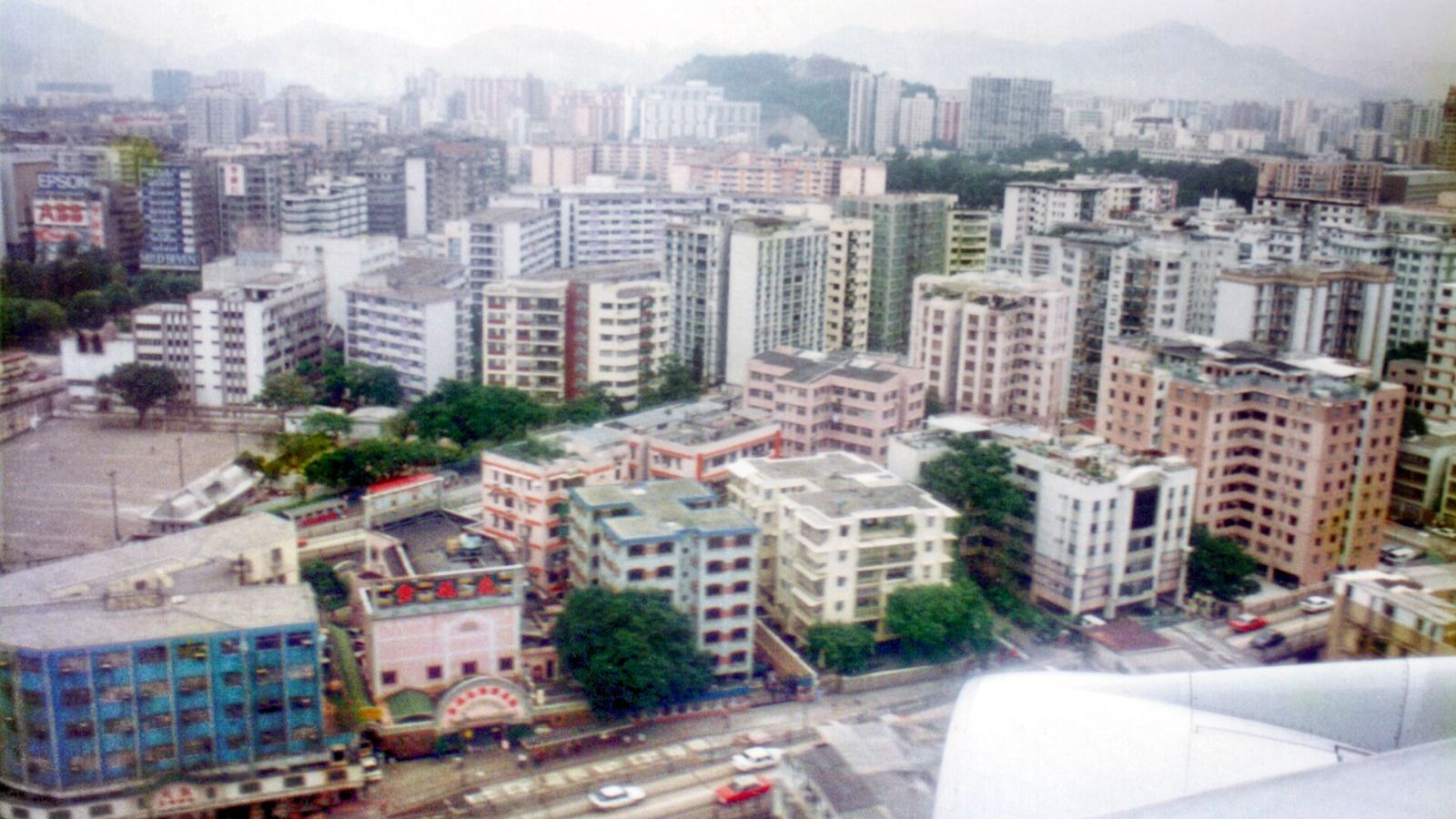
有趣在於,佢將首歌反轉咗。王菲嘅主角喺度擋風,佢係喺度等風。對一個遊客嚟講,季候風係浪漫;對住喺度嘅人嚟講,係每年都要捱。仲有,首歌 1993 年推出嗰陣,啟德仲係機場,飛機貼住九龍城啲樓頂降落。今日喺同一塊地,幾萬人一聽到「那次季候風」就跟住唱,邊個都擋唔住。
我最鍾意嗰句
我最鍾意係「茫茫然這冷冷的風 終於稍作停頓 夜幕下沒有停 祗得我心痛」。成首歌都好大風,得呢段靜咗。風停咗,但係佢冇覺得解脫,反而先聽清楚自己個心痛。我覺得呢句好真:好多時唔係最混亂嗰陣最難受,係混亂停咗,得返自己嗰陣。「稍作」兩個字亦好狠,即係話佢知道,風只係唞吓,仲會再嚟。季候風嘛。佢唔係怨風,佢係認咗:呢度就係會有風嘅地方,而佢仲住喺度。
有兩個問題我答唔到。你有冇一個人,係你知道佢幾時會返嚟,都擋唔住?同埋,The Weeknd 喺香港等緊嗰個人,係咪都知道佢會再走?
English
The song
《季候風》 (Monsoon, sometimes translated “Seasonal Wind”) is from 王菲 (Faye Wong)’s album 《執迷不悔》 (No Regrets), released on 5 February 1993, when she was still credited as 王靖雯. The Cantonese lyric is by 潘源良 (Poon Yuen-leung, also known as Calvin Poon), the arrangement by Richard Yuen. The melody comes from 《有一天我會》 (One Day I Will), a Mandarin song written by 陳小霞 (Salsa Chen) and 楊立德 (Yang Lee-deh) and first sung by 張瓊瑤. It became one of Wong’s signature early hits. In October 2026 The Weeknd premiered a new song, “Hong Kong,” at Kai Tak Stadium, built on a sample of Wong’s original vocal; it was released in Hong Kong at the end of the month and went to number one on Billboard’s Hong Kong chart. 潘源良 also wrote Eason Chan’s 《無條件》.
The one wind you can forecast
The usual reading: this is a song about an irresistible lover. When he arrives, every resolution collapses.
That is right. But consider the image:
「你似季候風 抵擋計劃全也無用 然後是場空 加上不死的心痛」
“You are like the monsoon; every plan to hold you off is useless. Then comes emptiness, and a heartache that will not die.”
A monsoon is not a typhoon. It does not come out of nowhere. It returns in the same season every year; you can mark it on a calendar. She is not ambushed. She has a plan to resist, 抵擋計劃. The pain in the song is not surprise. It is watching the wind come, being prepared, and failing anyway.
Then listen to how the chorus changes. The first time: 「那次季候風 吹得那樣空 彷彿世上一切 也將消失所蹤」, that time the monsoon blew so empty, as if everything in the world would vanish. The second: 「這次季候風 吹得格外兇 彷彿世上一切 已經消失所蹤」, this time it blows fiercer, as if everything has already vanished. 那次 becomes 這次, that time becomes this time; 也將, would, becomes 已經, already. Experience should have made the second time easier to withstand. It was worse.
Why is knowing not enough?
The question stands without the song. If you know clearly that something is bad for you, why do you do it anyway?
Socrates: no one errs knowingly
In Plato’s dialogue Protagoras, Socrates defends a claim most people find absurd: no one who knows what is better will choose what is worse. What we call weakness of will, being “overcome by pleasure,” is really a kind of ignorance, a mistake in calculation.
His explanation is an image of distance. Things close at hand look large and things far away look small, as a nearby building can seem taller than a distant mountain. Pleasures and pains work the same way: the pleasure in front of you looms, the pain that comes later shrinks. People are not weak, Socrates argues; they are deceived by nearness. His remedy is what he calls an art of measurement, a way of weighing near and far on the same scale. Measure correctly, and you will choose correctly.
Read the song with Socrates in mind and he seems half right. 「纏綿時要推開 雙手卻無用」: in the embrace she means to push him away and her hands will not do it. Up close, he is larger than everything else. 「口中聲聲別了 難掩渴望面容」: her mouth keeps saying goodbye, and her face cannot hide the longing. The mouth speaks from the distant view; the face lives in the near one.
But the song also refutes him. She is not someone who failed to measure. She has been through 那次, that time. She knows the ending is emptiness. She has made a plan. Her measurement is accurate, and it does not help. The song stages exactly the case Socrates said could not exist: knowledge, present and correct, and powerless.
What would Socrates say? Perhaps that her knowledge was not real knowledge, only belief, easily dragged around. That is the move philosophers have argued over ever since: either redefine knowing until it guarantees action, or admit, with Aristotle and most of ordinary experience, that a person can know and still be overcome. The song takes the second side, and it takes it in the most painful way, by making the knower the one who suffers most.
The December visitor
In Singapore, Rachel broke up with Wei Ming three years ago, when he took a job in London. He does not message her during the year. But every December, as the northeast monsoon brings its afternoon downpours, he flies home for Christmas, and every December he texts: back in town, coffee?
The first year she went, and they talked until the café on Tiong Bahru closed, and then he flew back and she did not hear from him until the next December. The second year she told herself in advance that she would not reply. When the text came, she looked at his name for ten minutes and replied. This year she has written it in her phone’s notes in November: Do not meet Wei Ming. The text arrives on a wet Thursday. She opens her notes, reads her own sentence, closes it, and types: sure, where?
She is not ignorant. Of everyone involved, she knows best how this goes.
Hearing the plan again
Listen again to 「抵擋計劃全也無用」 and it is not a confession of foolishness. It is a statement about the limits of knowledge. Socrates believed that seeing clearly would be enough. The song says you can see clearly and still lose. Rachel’s note is Socrates’s art of measurement, accurate to the day, and it does not stop her thumb.
The bridge adds something Socrates never considered: what knowing does afterwards. 「茫茫然這冷冷的風 終於稍作停頓 夜幕下沒有停 祗得我心痛」: the cold wind finally pauses, but under the night sky only her heartache does not stop. Socrates was concerned with the moment of choice; the song is concerned with what comes after it. The more clearly you knew, the more it hurts, because you cannot tell yourself you did not see it coming. In Faye Wong’s 《暗湧》, foreknowledge freezes the singer in place. In 《季候風》, she knows the ending and moves toward it anyway.
The Weeknd’s “Hong Kong”
Thirty-three years later, the wind really did come back. When The Weeknd sang “Hong Kong” at Kai Tak, Faye Wong’s voice entered in the chorus. According to The FADER, his English verses dwell on good times turning to sorrow, on growing used to changing weather, and on waiting in Hong Kong for someone who might return.
That quietly turns the song around. Wong’s singer is bracing against the wind; his is waiting for it. For a visitor, a monsoon is romance. For someone who lives there, it is something to endure every year. And there is a detail of place the song could not have known. When 《季候風》 was released in 1993, Kai Tak was still the city’s airport, and planes came in low over the rooftops of Kowloon City. On the same ground, tens of thousands of people now hear 那次季候風 and sing along before they have decided to. Nobody’s plan to resist works there either.
The line I keep
The line I love is the bridge: 「茫茫然這冷冷的風 終於稍作停頓 夜幕下沒有停 祗得我心痛」, “this cold, bewildering wind finally pauses for a moment; under the night sky nothing stops but my heartache.” The whole song is loud with wind, and here it goes quiet. The wind stops, and she feels no relief; she only hears her own pain more clearly. I think that is true to life. Often the worst moment is not the chaos but the silence after it, when you are left alone with yourself. And 稍作, “for a moment,” is merciless. She knows the wind is only resting. It will be back. It is a monsoon.
Two questions stay with me. Is there someone whose return you can predict to the week, and still cannot refuse? And the person The Weeknd is waiting for in Hong Kong: does he know they will leave again?
FAQ
- What is the meaning of 季候風?
- 《季候風》 (Monsoon) is sung by someone who keeps going back to a lover she has already decided to leave. He comes and goes like a seasonal wind; she pushes him away and her hands will not obey. The second time the wind blows harder. Every plan to resist him is useless, and the heartache does not die.
- Who wrote 季候風?
- 潘源良 (Poon Yuen-leung, Calvin Poon) wrote the Cantonese lyric. The melody is 陳小霞’s (Salsa Chen), from the Mandarin song 《有一天我會》 that she wrote with 楊立德 (Yang Lee-deh). 王菲 (Faye Wong) released it on 5 February 1993 on 《執迷不悔》. In 2026 The Weeknd sampled her vocal on his single “Hong Kong.”
- What does 你似季候風 抵擋計劃全也無用 mean?
- “You are like the monsoon; every plan to hold you off is useless.” A monsoon returns on schedule, so she saw him coming and prepared. This reading hears weakness of will, the puzzle Socrates raised in Plato’s Protagoras: how can someone know what is better and still not do it? The song answers that knowing was never enough.
資料
《季候風》 · 主唱 王菲 (Faye Wong) · 填詞 潘源良 (Poon Yuen-leung) · 1993 ·聽歌 Listen